
The Hidden Costs of Improper Hydraulic Seal Installation: A Guide to Avoiding Premature Failure
In the demanding world of heavy machinery, the performance and longevity of hydraulic systems are paramount. While the quality of hydraulic seals is undeniably critical, even the most superior seal can fail prematurely if not installed correctly. For B2B buyers, fleet managers, and maintenance professionals, understanding the nuances of proper hydraulic seal installation is not just about following a procedure; it’s about safeguarding significant investments and preventing a cascade of costly problems. As a specialized hydraulic seals and seal kits factory with over two decades of experience, DJF Seal has witnessed firsthand the extensive damage and financial repercussions stemming from improper installation. This guide delves into the hidden costs associated with installation mistakes and outlines best practices to ensure your **excavator hydraulic seals** deliver their intended lifespan and performance.
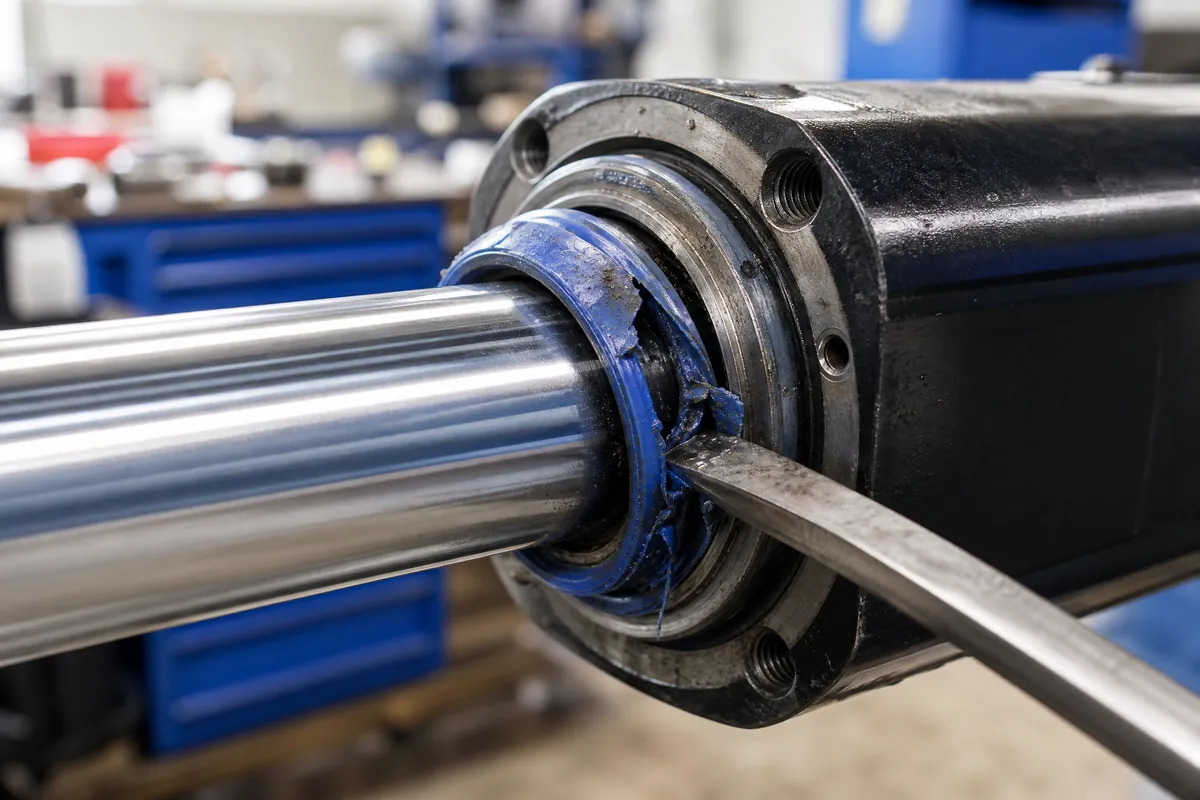
1. Common Mistakes in Hydraulic Seal Installation
Even experienced technicians can make errors during seal installation, often due to time pressure, lack of specialized tools, or insufficient training. Some of the most frequent mistakes include:
- Improper Cleaning: Failing to thoroughly clean the seal grooves and mating surfaces, leaving behind dirt, debris, or old lubricant that can damage the new seal.
- Using Incorrect Tools: Employing sharp-edged tools (screwdrivers, pliers) that can nick, cut, or scratch the delicate seal lips and surfaces.
- Insufficient Lubrication: Not adequately lubricating the seal and its housing before installation, leading to excessive friction and potential damage during assembly.
- Twisting or Rolling Seals: Allowing seals (especially O-rings and rod seals) to twist or roll during insertion, which creates stress points and compromises sealing integrity.
- Overstretching or Undersizing: Forcing a seal that is too small or overstretching a seal beyond its elastic limit, leading to permanent deformation and reduced sealing force.
- Incorrect Orientation: Installing seals (especially asymmetrical ones like U-cups or chevron seals) backward, rendering them ineffective.
- Ignoring Chamfers and Radii: Failing to use installation sleeves or tapes to protect seals from sharp edges (chamfers) or threads on cylinder rods and pistons.
- Mixing Materials: Inadvertently mixing different seal materials within a kit, which can lead to chemical incompatibility or varying performance characteristics.
2. The Cascade of Hidden Costs
The immediate consequence of an improperly installed seal is often a leak. However, the costs extend far beyond just replacing the faulty seal:
| Hidden Cost Category | Description & Impact |
|---|---|
| Premature Component Wear | Leaking seals allow contaminants into the hydraulic system, accelerating wear on cylinder rods, pistons, pumps, and valves. This leads to expensive repairs or complete component replacement. |
| Hydraulic Fluid Contamination & Degradation | External leaks mean fluid loss, while internal leaks (due to damaged seals) can cause fluid bypass and overheating. Contaminants entering through damaged seals degrade fluid quality, requiring more frequent and costly fluid changes. |
| Increased Downtime & Lost Productivity | Seal failures necessitate unscheduled equipment shutdowns for repairs. This directly translates to lost operational hours, missed project deadlines, and reduced revenue for B2B operations. |
| Higher Labor Costs | Repeated repairs due to recurring seal failures mean more technician hours, often at premium rates for emergency call-outs. |
| Safety Hazards & Environmental Risks | Hydraulic fluid leaks can create slippery surfaces, posing safety risks to personnel. Environmental contamination from leaks can also lead to regulatory fines and reputational damage. |
| Reduced Equipment Lifespan & Resale Value | Chronic hydraulic issues due to poor sealing can significantly shorten the overall lifespan of the excavator and diminish its resale value. |
3. Best Practices for Hydraulic Seal Installation
To mitigate these risks, DJF Seal recommends the following best practices for B2B clients:
- Thorough Cleaning: Always clean all components and grooves with a lint-free cloth and appropriate cleaning fluid before installation.
- Use Proper Tools: Invest in specialized seal installation tools (e.g., plastic or brass picks, seal installation sleeves) to prevent damage.
- Adequate Lubrication: Lubricate seals and mating surfaces with clean hydraulic fluid or a compatible, non-damaging lubricant.
- Follow Manufacturer Guidelines: Adhere strictly to the seal and equipment manufacturer’s installation instructions.
- Inspect Components: Before installing new seals, inspect cylinder rods, pistons, and bores for burrs, scratches, or damage that could compromise the seal.
- Proper Storage: Ensure replacement seals are stored correctly (cool, dark, dry) until use to prevent degradation.
- Training: Provide regular training for maintenance staff on the latest seal installation techniques and best practices.
Conclusion: Precision Installation, Enduring Performance
The quality of your **excavator hydraulic seals** is only as good as their installation. For B2B buyers, overlooking the critical step of proper seal fitting can lead to a multitude of hidden costs that erode profitability and compromise operational reliability. By prioritizing meticulous cleaning, using correct tools, ensuring adequate lubrication, and adhering to manufacturer guidelines, you can significantly extend the lifespan of your seals and hydraulic components. Partner with a trusted **hydraulic seals and seal kits factory** like DJF Seal, not just for superior products, but also for the expertise and support needed to ensure every seal performs flawlessly from day one. Invest in precision installation, and reap the rewards of enduring performance and reduced total cost of ownership for your heavy machinery fleet.
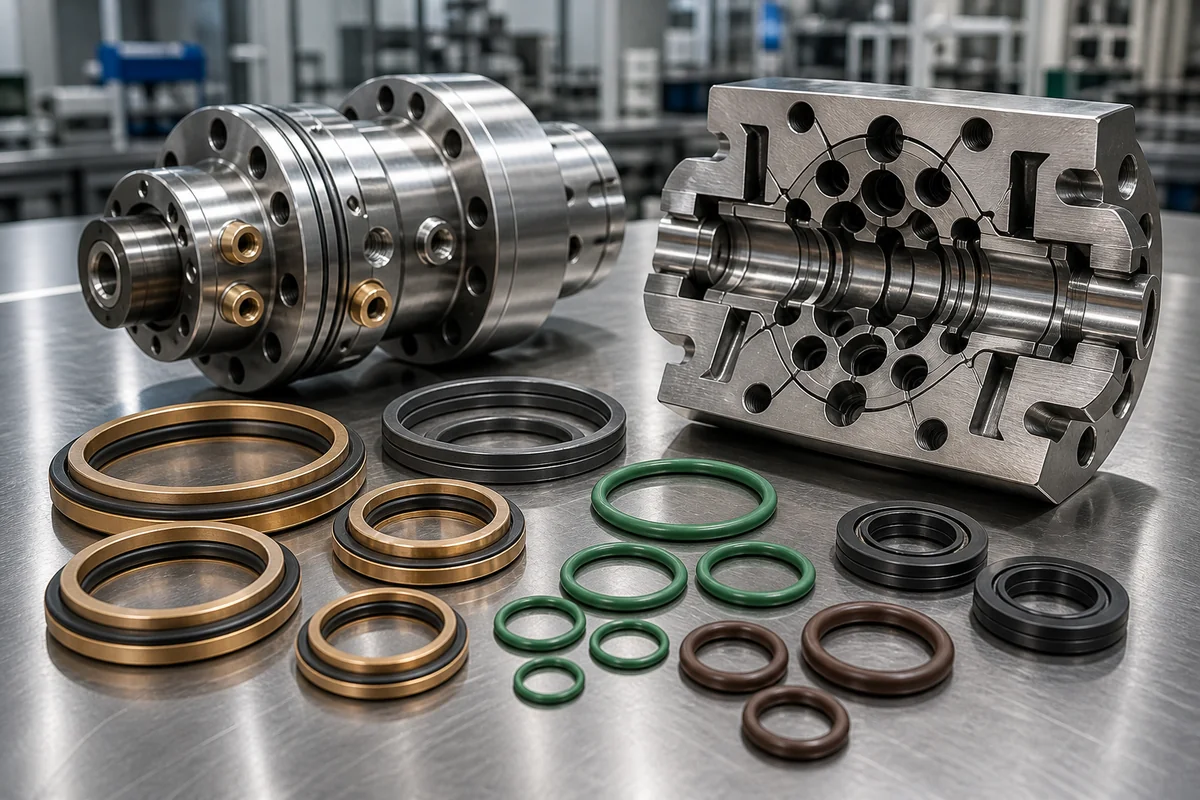 Excavator Center Joint (Swivel Joint) Seal Kits: Internal Cross-Port Leakage Troubleshooting, PTFE Step-Seal Selection & B2B Overhaul Guide
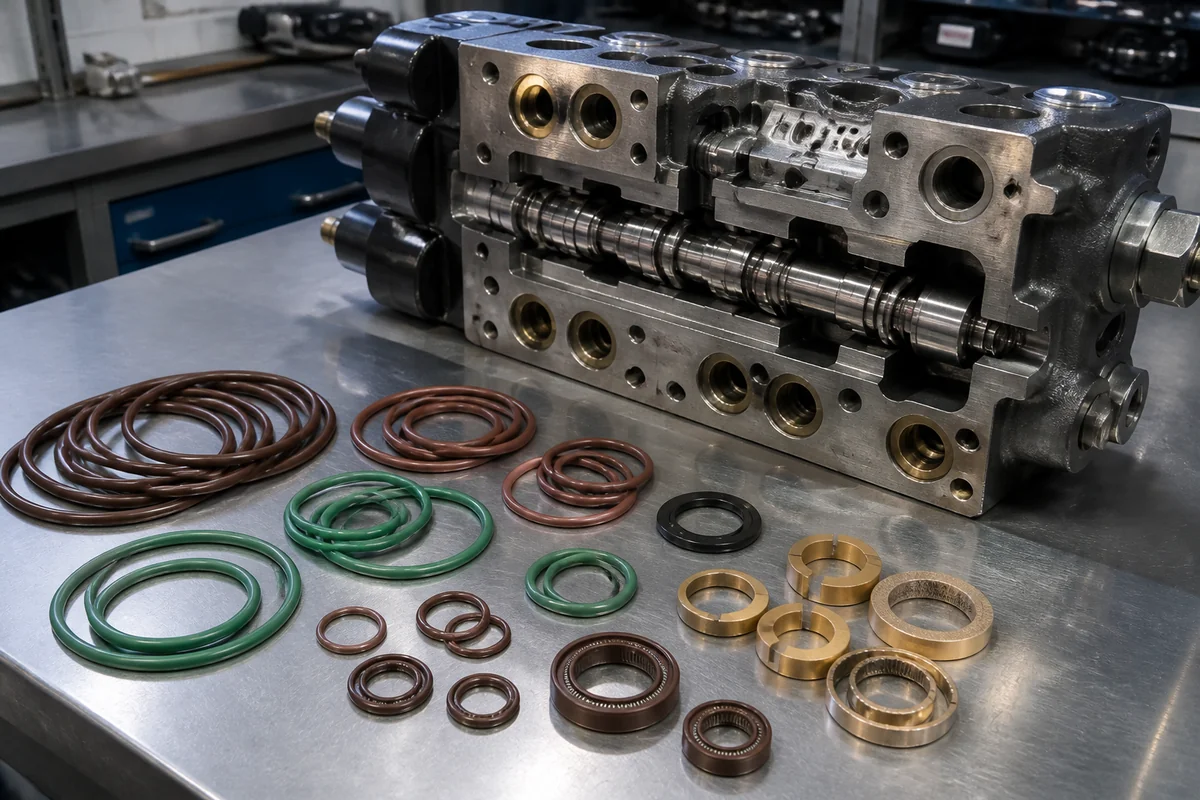 Excavator Main Control Valve Seal Kits: Spool Leakage Troubleshooting, Material Selection & B2B Sourcing Guide
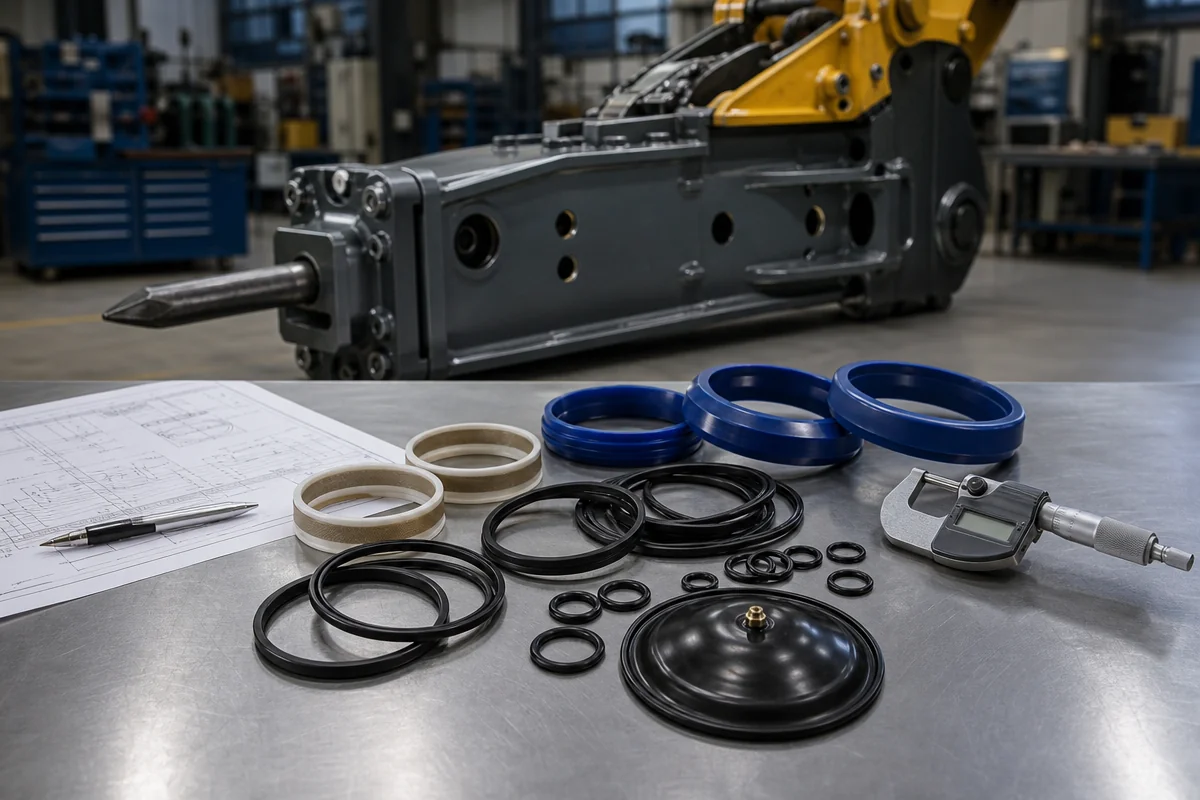 Hydraulic Breaker Hammer Seal Kits: B2B Sourcing, Material Selection, and High-Frequency Shock Protection Guide
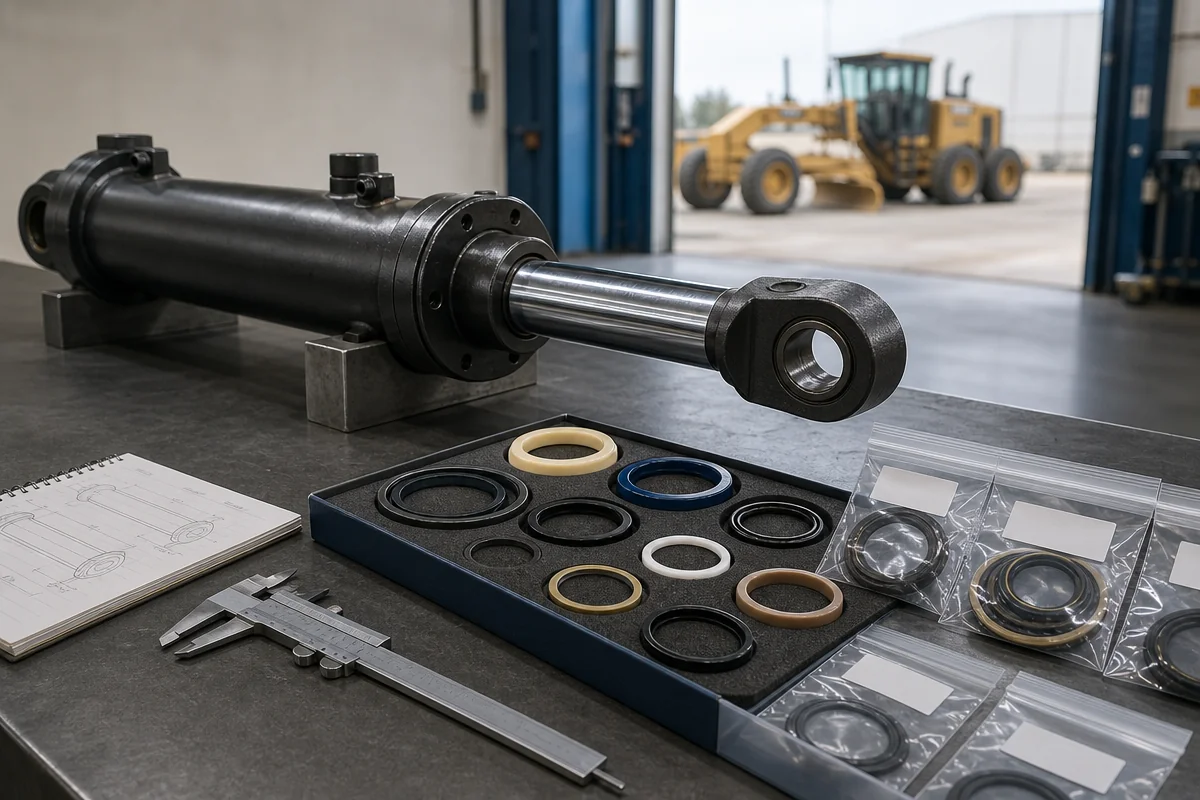 Motor Grader Hydraulic Cylinder Seal Kits: A B2B RFQ and Selection Guide