
Blog
Home > News & Blog > Blog > Specialized Sealing Solutions for Hydraulic Breakers: Withstanding Extreme Impact and Vibration
Specialized Sealing Solutions for Hydraulic Breakers: Withstanding Extreme Impact and Vibration
Views :209
Update time :2026-06-26
Introduction: The Unrelenting Demands on Hydraulic Breaker Seals
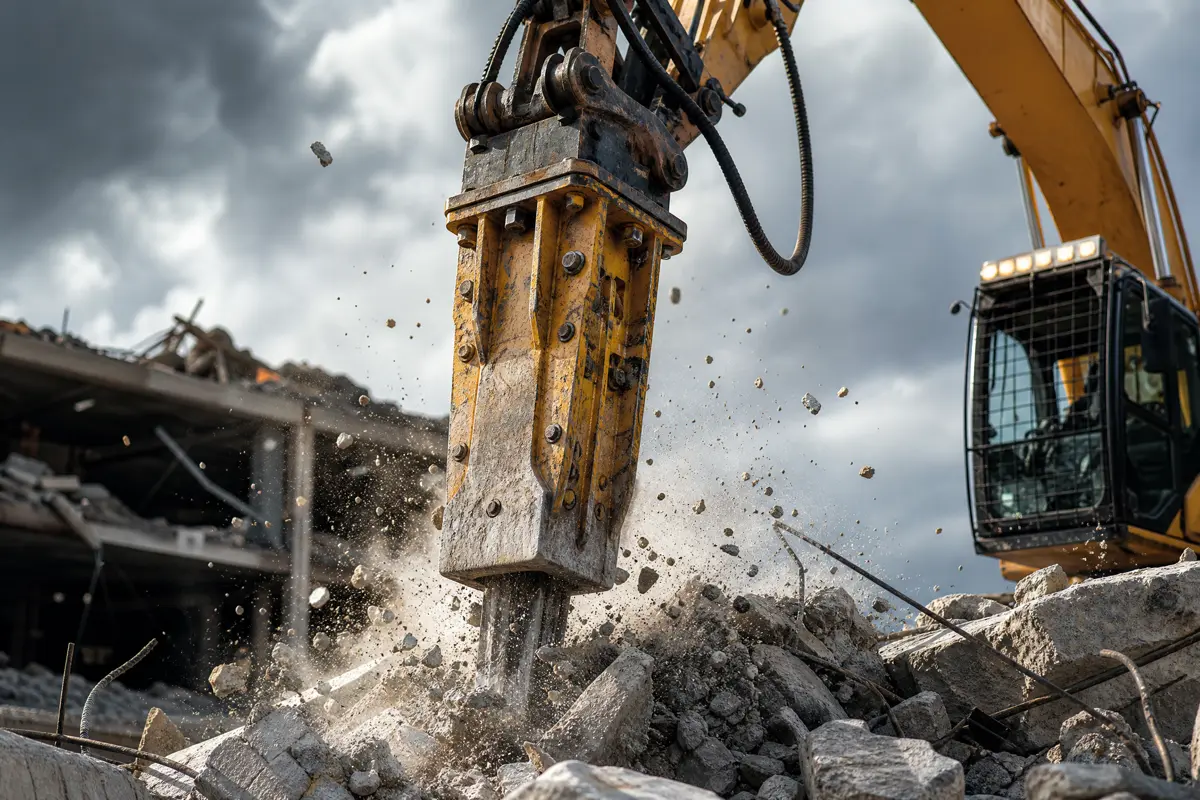
Hydraulic breakers are indispensable tools in demolition, mining, and construction, delivering immense percussive force to break through concrete, rock, and other hard materials. Unlike standard excavator hydraulic cylinders, which primarily handle linear motion and static loads, hydraulic breakers operate under constant, high-frequency impact and extreme vibration. This brutal working environment places extraordinary stress on every component, especially the hydraulic seals. For B2B buyers, equipment rental companies, and maintenance professionals, understanding the specialized sealing requirements of hydraulic breakers is crucial for minimizing downtime, extending tool life, and ensuring operational safety. This article delves into the unique challenges faced by hydraulic breaker seals and the advanced solutions designed to meet these demands.
The Unique Stressors: Impact, Vibration, and Contamination
The operational dynamics of hydraulic breakers introduce a combination of stressors that are far more severe than those encountered in conventional hydraulic systems:
High-Frequency Impact and Shock Loads
Each strike of a hydraulic breaker generates intense shock waves that propagate throughout the tool and its hydraulic system. These rapid, repetitive impacts create momentary pressure spikes and mechanical stresses that can quickly degrade standard seals, leading to extrusion, tearing, and premature failure.
Extreme Vibration
Continuous high-frequency vibration causes seals to chafe against cylinder walls and piston rods. This abrasive wear, coupled with dynamic flexing, can lead to material fatigue and loss of sealing integrity over time. Vibration can also loosen seal glands and allow contaminants to ingress.
Elevated Temperatures
The constant friction and energy conversion within a hydraulic breaker generate significant heat. This elevated operating temperature can accelerate the aging of seal materials, causing them to harden, crack, or lose their elastic properties, further compromising their ability to seal effectively.
Contamination Ingress
Working in demolition and quarry environments exposes hydraulic breakers to high levels of dust, debris, and moisture. These abrasive particles can easily enter the hydraulic system through worn or inadequate seals, causing internal damage to components and accelerating seal wear.
Advanced Materials and Designs for Breaker Seals
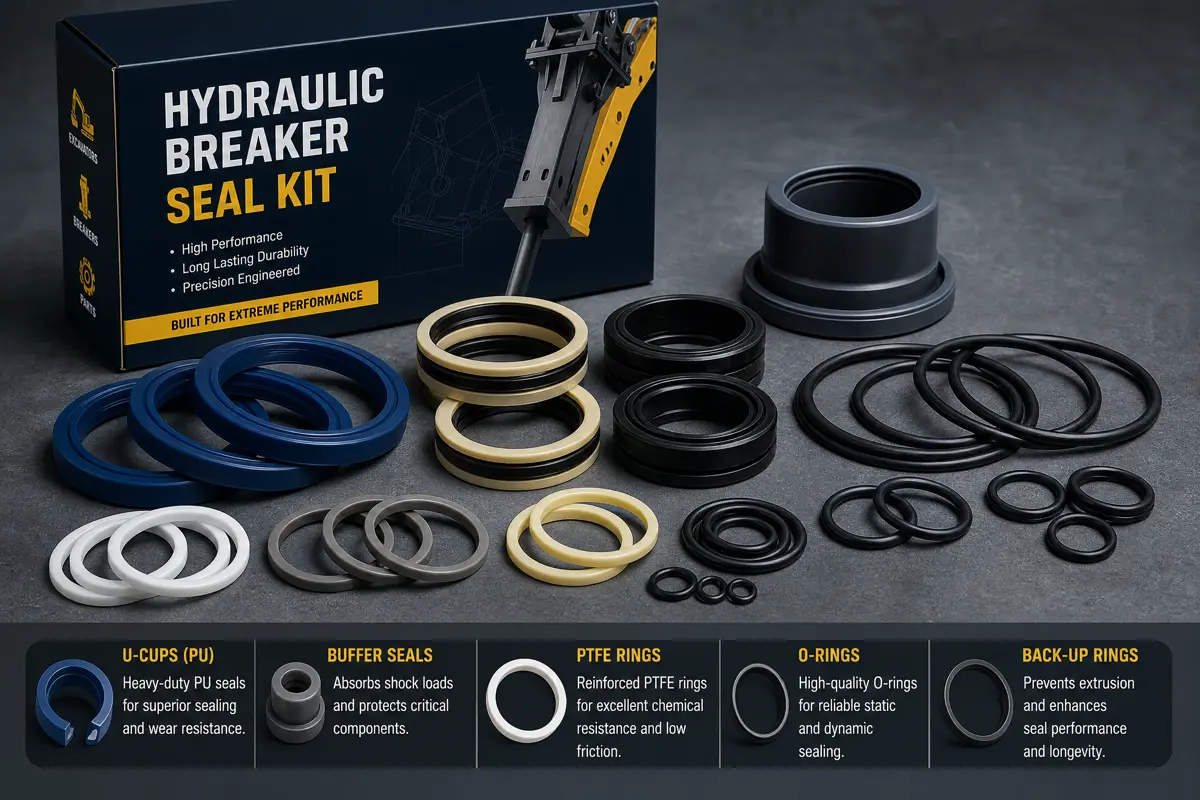
To withstand these extreme conditions, hydraulic breaker seals require specialized materials and innovative designs that go beyond those used in standard hydraulic cylinders repair:
High-Performance Elastomers
•Polyurethane (PU) with Enhanced Hardness: Specially formulated polyurethanes offer superior abrasion resistance, tear strength, and elasticity, making them ideal for dynamic applications with high impact and vibration. Their excellent extrusion resistance helps prevent blowouts under pressure spikes.
•PTFE (Polytetrafluoroethylene) with Fillers: PTFE compounds, often reinforced with glass fiber, carbon, or bronze, provide extremely low friction and high wear resistance. They are particularly effective in rod seals and guide rings where sliding motion is constant and high temperatures are present.
•HNBR (Hydrogenated Nitrile Butadiene Rubber): Offers improved temperature and chemical resistance compared to standard NBR, making it suitable for applications where higher operating temperatures and exposure to aggressive hydraulic fluids are a concern.
Specialized Seal Profiles and Configurations
•Heavy-Duty Rod Seals: Designed with robust lips and anti-extrusion features to withstand high pressures and prevent contaminants from entering the cylinder. Often feature multiple sealing elements or reinforced bases.
•Piston Seals with Anti-Extrusion Rings: These seals are crucial for maintaining pressure differential and are often paired with back-up rings made from harder materials (like POM or reinforced PTFE) to prevent extrusion under severe shock loads.
•Buffer Seals: Positioned between the rod seal and the primary piston seal, buffer seals absorb pressure spikes and protect the rod seal from excessive pressure, significantly extending its lifespan.
•Guide Rings/Wear Rings: Made from low-friction, high-strength materials (e.g., reinforced PTFE, POM, phenolic resin), these rings prevent metal-to-metal contact between the piston/rod and cylinder bore, reducing wear on both components and seals.
The ROI of Specialized Breaker Seal Kits
Investing in specialized hydraulic breaker seal kits, though potentially higher in initial cost, yields significant returns through:
•Reduced Downtime: Fewer seal failures mean more operational hours for the breaker, directly impacting project timelines and profitability.
•Lower Maintenance Costs: Extended seal life reduces the frequency of replacements, saving on labor and parts costs.
•Enhanced Performance: Optimized seals ensure consistent hydraulic pressure and power delivery, maximizing the breaker’s efficiency.
•Improved Safety: Reliable seals prevent hydraulic fluid leaks, reducing environmental hazards and slip risks on job sites.
Conclusion: Partnering for Peak Breaker Performance
Hydraulic breakers are critical assets that demand equally critical sealing solutions. Standard seals simply cannot endure the relentless impact, vibration, and heat of these applications. For B2B buyers seeking to optimize their hydraulic breaker operations, partnering with a specialized manufacturer like DJF Seal is essential. With expertise in advanced material science and precision engineering, DJF Seal can provide tailor-made sealing solutions that ensure your hydraulic breakers perform reliably and efficiently, even in the most demanding environments. Invest in the right seals, and unlock the full potential of your hydraulic breakers. Contact DJF Seal today to discuss your specialized sealing requirements.
Related News
 Excavator Center Joint (Swivel Joint) Seal Kits: Internal Cross-Port Leakage Troubleshooting, PTFE Step-Seal Selection & B2B Overhaul Guide
2026-10-16
In modern hydraulic excavators, the Center Joint—also commonly referred to in the heavy equipment af
 Excavator Main Control Valve Seal Kits: Spool Leakage Troubleshooting, Material Selection & B2B Sourcing Guide
2026-10-13
In modern hydraulic excavators, the Main Control Valve (MCV) acts as the central neurological and fl
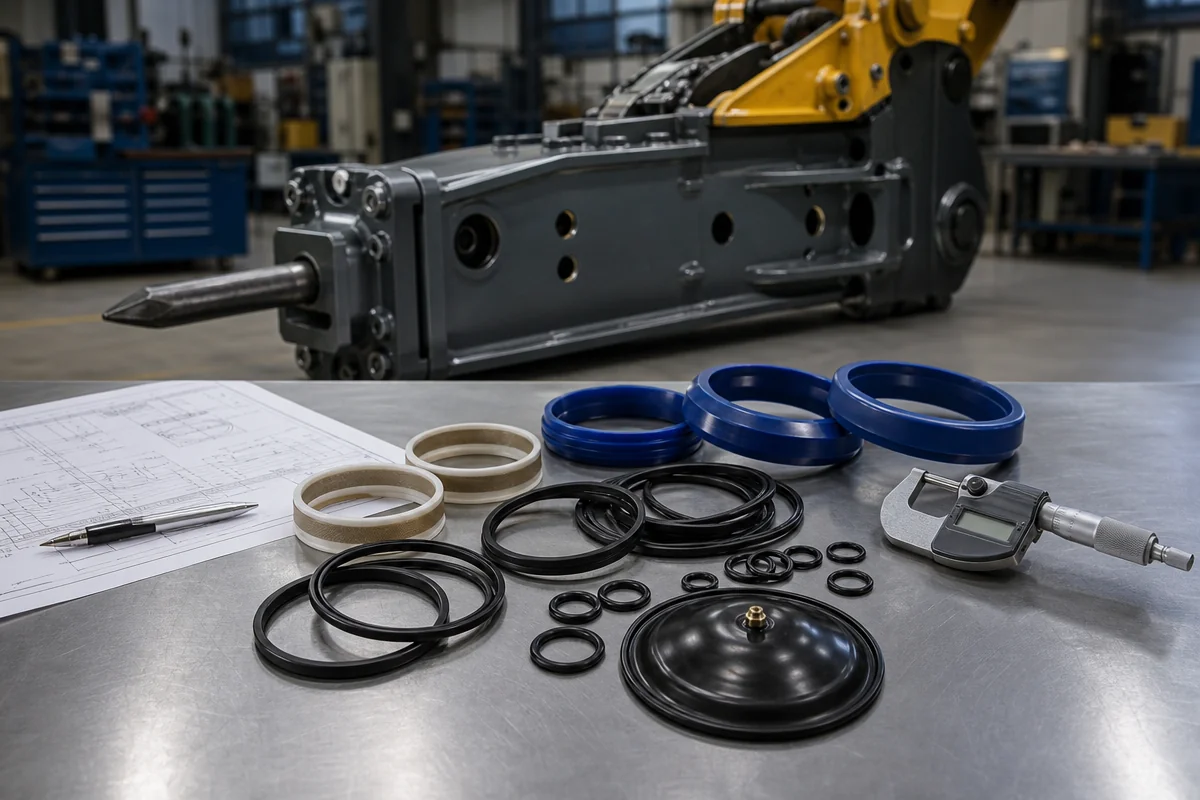 Hydraulic Breaker Hammer Seal Kits: B2B Sourcing, Material Selection, and High-Frequency Shock Protection Guide
2026-10-08
A technical procurement reference for breaker seal kits used on chipping hammers, demolition tools,
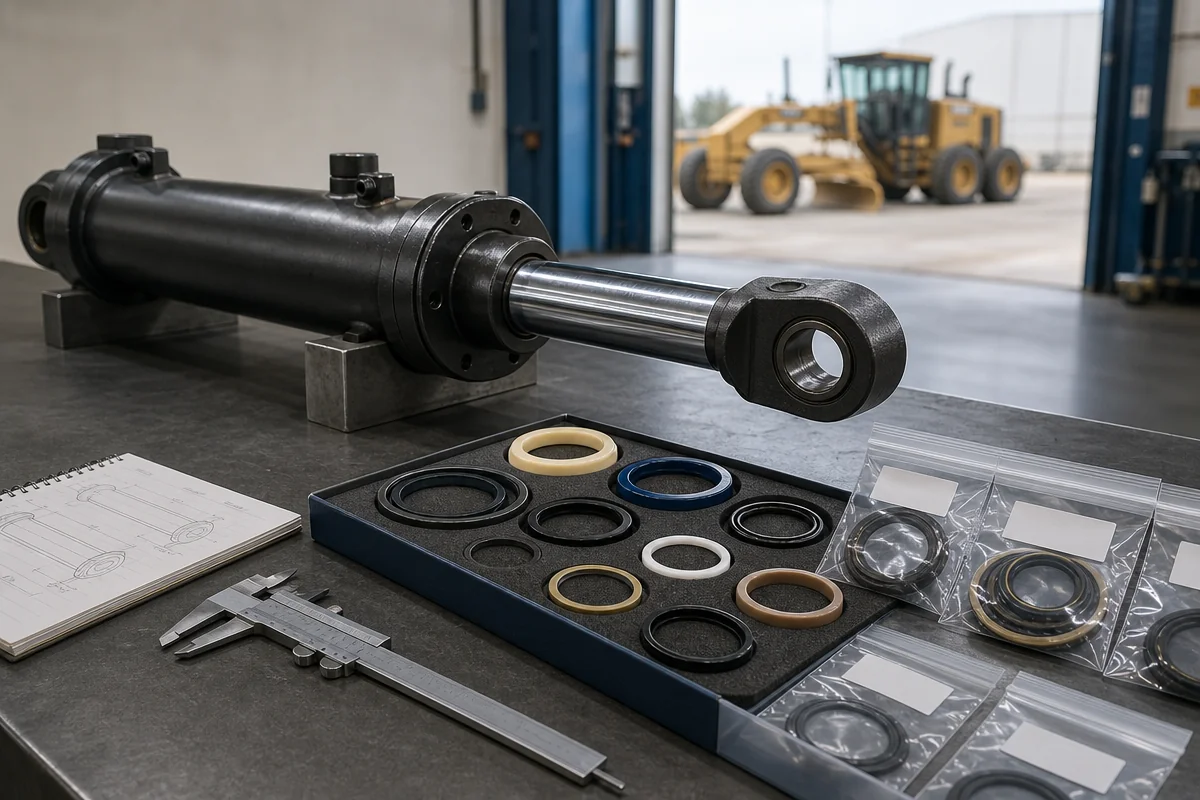 Motor Grader Hydraulic Cylinder Seal Kits: A B2B RFQ and Selection Guide
2026-09-22
Motor grader hydraulic cylinder seal kit RFQ and dimensional inspection workflow.
A motor grader hy