
Blog
Home > News & Blog > Blog > Material Science in Hydraulic Seals: Why the Right Compound is the Secret to Zero Leaks
Material Science in Hydraulic Seals: Why the Right Compound is the Secret to Zero Leaks
Views :285
Update time :2026-05-27
The Critical Role of Materials in Hydraulic Systems
In the demanding world of heavy machinery, hydraulic systems are the unsung heroes, providing the power and precision necessary for operations ranging from construction to mining. At the heart of these systems, hydraulic seals play a pivotal role, preventing fluid leakage, maintaining pressure, and protecting internal components from contamination. However, the effectiveness and longevity of these seals are not solely dependent on their design; the material science behind their composition is arguably the most critical factor. Choosing the right compound is not just about preventing leaks; it’s about ensuring operational efficiency, reducing downtime, and ultimately, safeguarding your investment in heavy equipment.
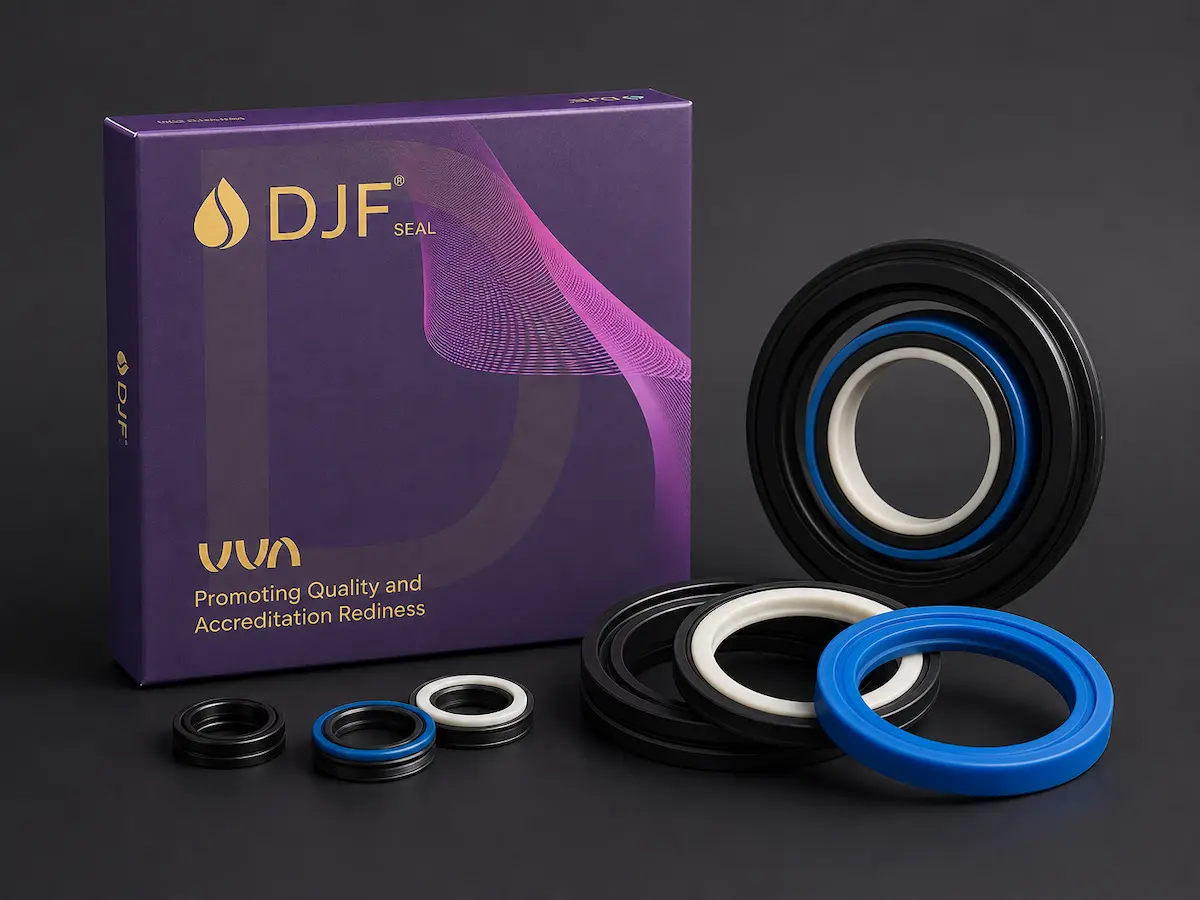
Common Materials: Polyurethane (PU) vs. NBR vs. PTFE – When to Use Which?
The selection of hydraulic seal materials is a complex decision, influenced by operating conditions such as temperature, pressure, fluid compatibility, and dynamic stress. Three of the most common materials used in hydraulic seals are Polyurethane (PU), Nitrile Butadiene Rubber (NBR), and Polytetrafluorofluoroethylene (PTFE). Each possesses distinct properties that make it suitable for specific applications.
Polyurethane (PU)
Polyurethane (PU) seals are renowned for their exceptional abrasion resistance and high tensile strength. They offer excellent elasticity and resilience, making them ideal for dynamic applications where seals are subjected to constant movement and friction. PU seals also exhibit good resistance to mineral oils and many hydraulic fluids. They are often the preferred choice for rod and piston seals in hydraulic cylinders due to their durability and ability to withstand high pressures.
Nitrile Butadiene Rubber (NBR)
Nitrile Butadiene Rubber (NBR), commonly known as Nitrile, is a versatile and cost-effective material. It provides good resistance to petroleum-based oils, fuels, water, and hydraulic fluids. NBR seals are effective across a broad temperature range, typically from -40°C to 100°C, making them a popular general-purpose choice. However, their abrasion resistance is generally lower than PU, and they are not suitable for applications involving high temperatures or aggressive chemicals.
Polytetrafluoroethylene (PTFE)
Polytetrafluoroethylene (PTFE), often recognized by its brand name Teflon, stands out for its superior chemical resistance and low friction properties. PTFE seals can operate in extremely wide temperature ranges and are compatible with almost all hydraulic fluids, including those that are aggressive to other materials. Their low friction characteristic is particularly beneficial in applications requiring minimal stick-slip and high-speed operation. However, PTFE is less elastic than PU or NBR and often requires energizers (such as O-rings) to maintain sealing force.
Material Comparison Table
|
Material
|
Key Properties
|
Typical Applications
|
Advantages
|
Disadvantages
|
|
Polyurethane (PU)
|
High abrasion resistance, high tensile strength, good elasticity
|
Rod seals, piston seals, wipers
|
Excellent durability, high-pressure capability
|
Limited chemical resistance at high temperatures
|
|
Nitrile Butadiene Rubber (NBR)
|
Good oil and fuel resistance, wide temperature range
|
General-purpose seals, O-rings, static seals
|
Cost-effective, good all-rounder
|
Lower abrasion resistance, poor resistance to some chemicals
|
|
Polytetrafluoroethylene (PTFE)
|
Excellent chemical resistance, low friction, wide temperature range
|
High-speed seals, aggressive fluid applications, backup rings
|
Nearly universal chemical compatibility, minimal friction
|
Low elasticity, often requires energizers
|
Temperature and Pressure: How DJF Seal Selects Materials for Extreme Environments
Operating environments for heavy machinery are rarely benign. Extreme temperatures, fluctuating pressures, and exposure to various hydraulic fluids demand seals that can perform reliably under stress. At DJF Seal, material selection is a meticulous process that goes beyond basic compatibility. We consider the entire operational profile of the equipment, including peak temperatures, maximum pressures, and the specific chemical composition of the hydraulic fluid.
For applications in extreme cold, materials with excellent low-temperature flexibility are chosen to prevent embrittlement and cracking. Conversely, for high-temperature environments, compounds with superior heat resistance and thermal stability are critical to prevent degradation and hardening. High-pressure applications necessitate materials with high tensile strength and extrusion resistance, often requiring specialized designs like anti-extrusion rings in conjunction with the primary seal material.
DJF Seal leverages its 20 years of experience and comprehensive material database to precisely match seal materials to the most challenging conditions. This ensures that whether your equipment operates in the scorching deserts or the freezing Arctic, the hydraulic seals will maintain their integrity and performance, preventing costly leaks and system failures.
Conclusion: Why Material Choice Impacts Your Bottom Line
The seemingly small component of a hydraulic seal has a disproportionately large impact on the overall performance and cost-efficiency of heavy machinery. A seal failure, often stemming from an inappropriate material choice, can lead to significant fluid loss, environmental contamination, reduced machine efficiency, and extensive downtime for repairs. These hidden costs can quickly outweigh any initial savings from using cheaper, less suitable seals.
By understanding the nuances of material science in hydraulic seals, B2B buyers and fleet managers can make informed decisions that contribute to longer equipment lifespan, reduced maintenance costs, and improved operational safety. Partnering with a manufacturer like DJF Seal, which prioritizes advanced material selection and rigorous quality control, is not just a procurement decision—it’s a strategic investment in the reliability and profitability of your heavy equipment fleet.
Related News
 Excavator Center Joint (Swivel Joint) Seal Kits: Internal Cross-Port Leakage Troubleshooting, PTFE Step-Seal Selection & B2B Overhaul Guide
2026-10-16
In modern hydraulic excavators, the Center Joint—also commonly referred to in the heavy equipment af
 Excavator Main Control Valve Seal Kits: Spool Leakage Troubleshooting, Material Selection & B2B Sourcing Guide
2026-10-13
In modern hydraulic excavators, the Main Control Valve (MCV) acts as the central neurological and fl
 Hydraulic Breaker Hammer Seal Kits: B2B Sourcing, Material Selection, and High-Frequency Shock Protection Guide
2026-10-08
A technical procurement reference for breaker seal kits used on chipping hammers, demolition tools,
 Motor Grader Hydraulic Cylinder Seal Kits: A B2B RFQ and Selection Guide
2026-09-22
Motor grader hydraulic cylinder seal kit RFQ and dimensional inspection workflow.
A motor grader hy