
Blog
Home > News & Blog > Blog > Hydraulic Seal Resilience in Arctic Conditions: Overcoming Brittle Failure and Pressure Spikes in Cold-Weather Excavation
Hydraulic Seal Resilience in Arctic Conditions: Overcoming Brittle Failure and Pressure Spikes in Cold-Weather Excavation
Views :193
Update time :2026-06-26

The Ice Challenge: Why Standard Seals Fail When the Mercury Drops
In the unforgiving landscapes of the Arctic and other extreme cold regions, heavy machinery like excavators face unique operational challenges. While the robust engines and reinforced chassis are designed to withstand freezing temperatures, a critical yet often overlooked component—the hydraulic seal—can become a significant point of failure. Standard hydraulic seals, typically engineered for temperate climates, are ill-equipped to handle the brutal cold, leading to brittle failure, increased leakage, and ultimately, costly downtime. For B2B buyers, fleet managers, and maintenance professionals operating in these environments, understanding the specific vulnerabilities of seals in cold weather is paramount to ensuring operational continuity and profitability.
The Science of Glass Transition (Tg): Understanding How Cold Makes Elastomers Brittle
At the heart of cold-weather seal failure lies a material science phenomenon known as glass transition temperature (Tg). Every elastomeric material, including those used in hydraulic seals, has a specific temperature range where it transitions from a flexible, rubbery state to a rigid, glass-like state. Below its Tg, an elastomer loses its elasticity and becomes brittle. In this state, even minor mechanical stress or pressure fluctuations can cause the seal to crack, shatter, or lose its sealing integrity entirely. Standard NBR (Nitrile Butadiene Rubber), a common seal material, typically has a Tg around -20°C to -30°C. While this is sufficient for many applications, it falls far short of the -40°C, -50°C, or even lower temperatures encountered in Arctic operations.
Pressure Spikes on Cold Starts: The Relationship Between Fluid Viscosity and Seal Blowouts
Another critical factor contributing to seal failure in cold environments is the dramatic increase in hydraulic fluid viscosity at low temperatures. When an excavator starts up in sub-zero conditions, the hydraulic fluid becomes thick and sluggish, resembling molasses. This highly viscous fluid creates immense resistance within the hydraulic system, leading to significant pressure spikes, especially during initial movements or when actuators are extended/retracted. If the seals are already compromised by cold-induced brittleness (operating below their Tg), these sudden pressure surges can easily cause them to rupture or be extruded from their grooves, resulting in catastrophic leaks and system failure. This interplay between material brittleness and increased fluid pressure makes cold starts particularly hazardous for hydraulic systems.
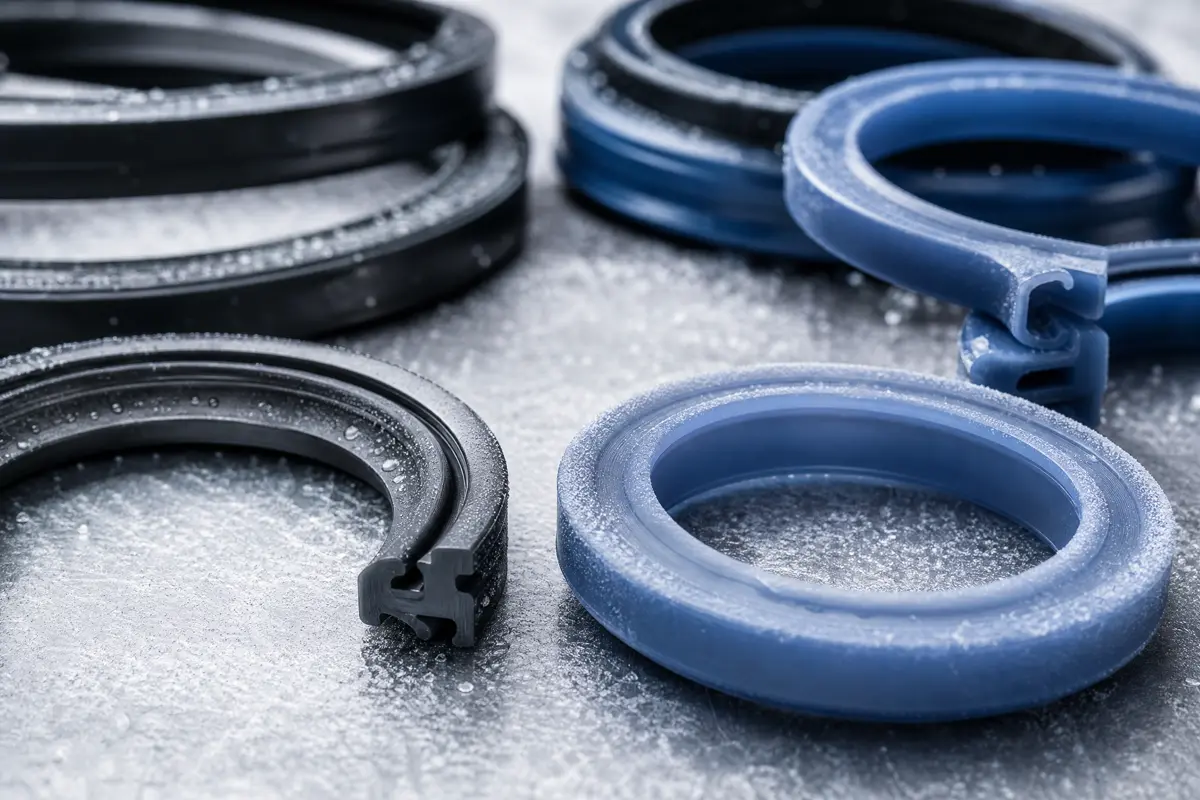
Material Selection for the Arctic: Why LT-NBR and Specialized TPU Are Essential
To combat the challenges of Arctic conditions, specialized seal materials with significantly lower glass transition temperatures and enhanced cold flexibility are indispensable. Here are some key materials:
•Low-Temperature Nitrile Butadiene Rubber (LT-NBR): A modified version of NBR, specifically formulated to maintain flexibility and sealing performance at temperatures as low as -50°C or even -60°C. LT-NBR offers a cost-effective solution for many cold-weather applications where extreme low temperatures are not constant.
•Polyurethane (TPU) with Low-Temperature Additives: While standard TPU offers excellent abrasion resistance, specialized formulations with low-temperature additives can extend its operational range to much colder temperatures, providing superior mechanical strength and elasticity in freezing conditions. This is particularly beneficial for rod and piston seals that experience high dynamic loads.
•Fluorosilicone (FVMQ): Known for its exceptional low-temperature flexibility (down to -60°C or -70°C) and excellent resistance to fuels and oils. FVMQ is a premium choice for critical applications where both extreme cold and chemical compatibility are required.
•PTFE (Polytetrafluoroethylene) Compounds: Modified PTFE compounds can offer very low friction and maintain properties across a wide temperature range. When combined with energizers made from low-temperature elastomers, they can provide robust sealing solutions for static and dynamic applications in the cold.
Selecting the appropriate material based on the specific minimum operating temperature and chemical exposure is crucial for preventing premature seal failure and ensuring reliable performance.
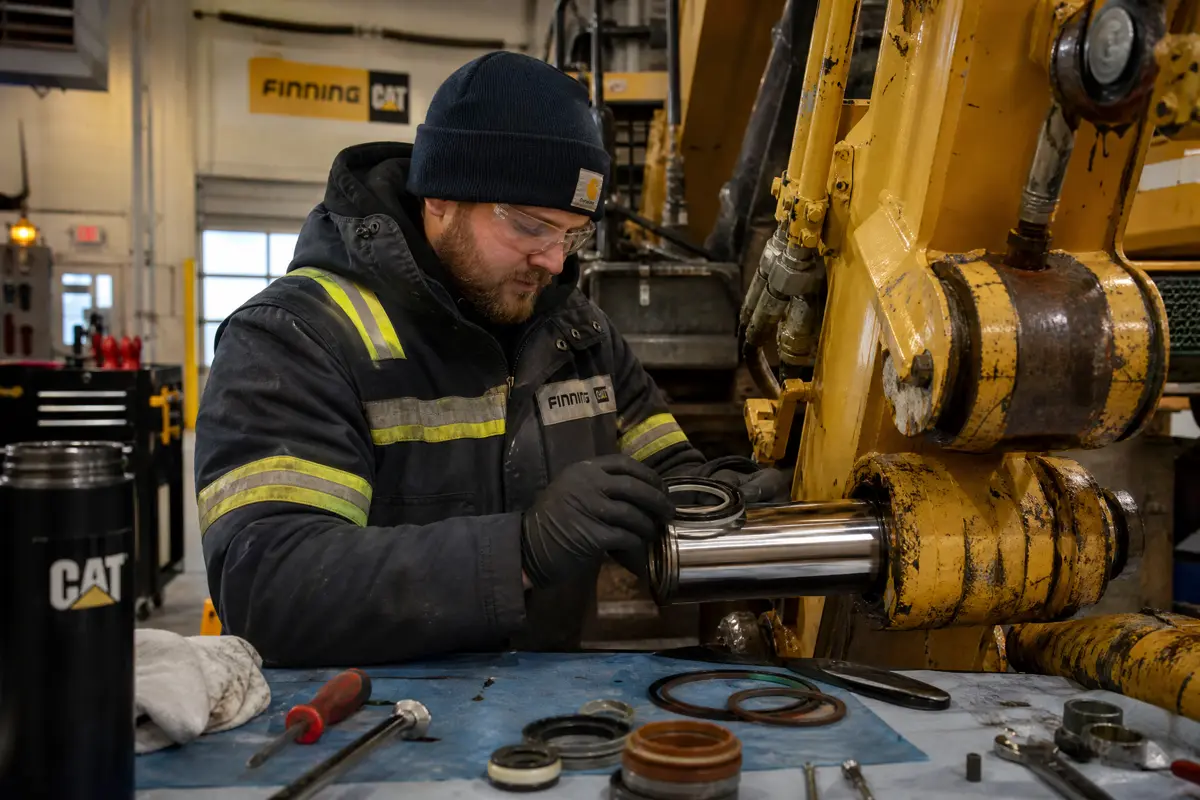
Proactive Winterization: Maintenance Steps for Fleet Managers Before the First Freeze
Beyond material selection, proactive maintenance and winterization strategies are vital for extending the life of hydraulic seals in cold climates. Fleet managers should consider the following:
1.Fluid Analysis and Selection: Use hydraulic fluids specifically designed for low-temperature operation, which maintain optimal viscosity at sub-zero temperatures. Regular fluid analysis can detect contamination or degradation that could exacerbate cold-weather issues.
2.Slow Warm-Up Procedures: Implement strict protocols for slow warm-up of hydraulic systems before full operation. This allows the hydraulic fluid to gradually reach operating temperature, reducing viscosity and mitigating pressure spikes during cold starts.
3.Regular Seal Inspections: Conduct frequent visual inspections of all exposed seals for signs of cracking, hardening, or leakage. Early detection can prevent minor issues from escalating into major failures.
4.Heated Storage: Whenever possible, store excavators and other heavy machinery in heated garages or use engine block heaters and hydraulic tank heaters to keep components above critical temperatures during prolonged downtime.
5.Use of Protective Covers: Employ protective covers for hydraulic cylinders and exposed components to shield them from direct exposure to extreme cold and wind chill, which can further reduce seal temperatures.
Conclusion: Partnering for Arctic Resilience
Operating heavy machinery in Arctic conditions demands a meticulous approach to every component, especially hydraulic seals. The unique challenges of low temperatures, increased fluid viscosity, and the risk of brittle failure necessitate a strategic focus on specialized materials and proactive maintenance. By understanding the science behind cold-weather seal performance and implementing robust winterization strategies, businesses can significantly enhance the reliability and extend the service life of their excavators. Partnering with a manufacturer like DJF Seal, which possesses expertise in advanced material solutions and a deep understanding of extreme operational demands, is key to sourcing high-performance hydraulic seal kits that ensure your equipment remains productive, even in the harshest cold. Invest in Arctic resilience, and safeguard your operations against the freeze. Contact DJF Seal today for tailored cold-weather sealing solutions.
Related News
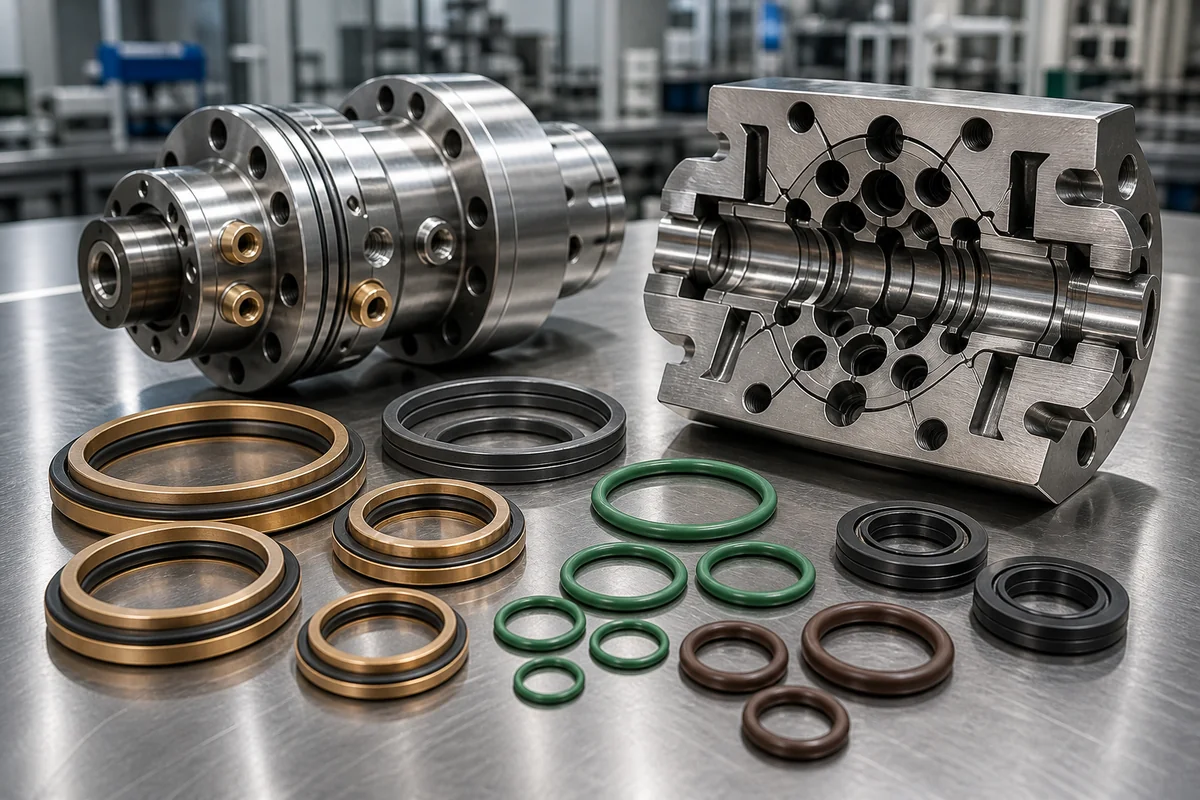 Excavator Center Joint (Swivel Joint) Seal Kits: Internal Cross-Port Leakage Troubleshooting, PTFE Step-Seal Selection & B2B Overhaul Guide
2026-10-16
In modern hydraulic excavators, the Center Joint—also commonly referred to in the heavy equipment af
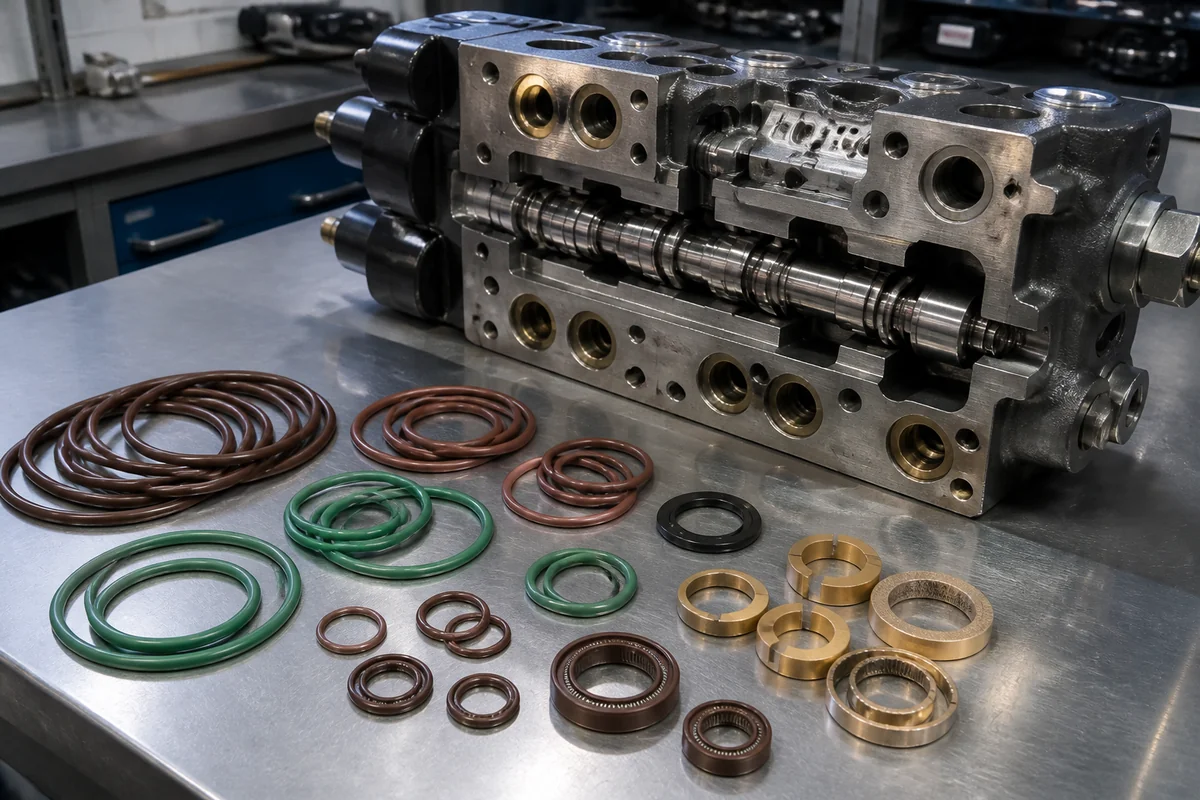 Excavator Main Control Valve Seal Kits: Spool Leakage Troubleshooting, Material Selection & B2B Sourcing Guide
2026-10-13
In modern hydraulic excavators, the Main Control Valve (MCV) acts as the central neurological and fl
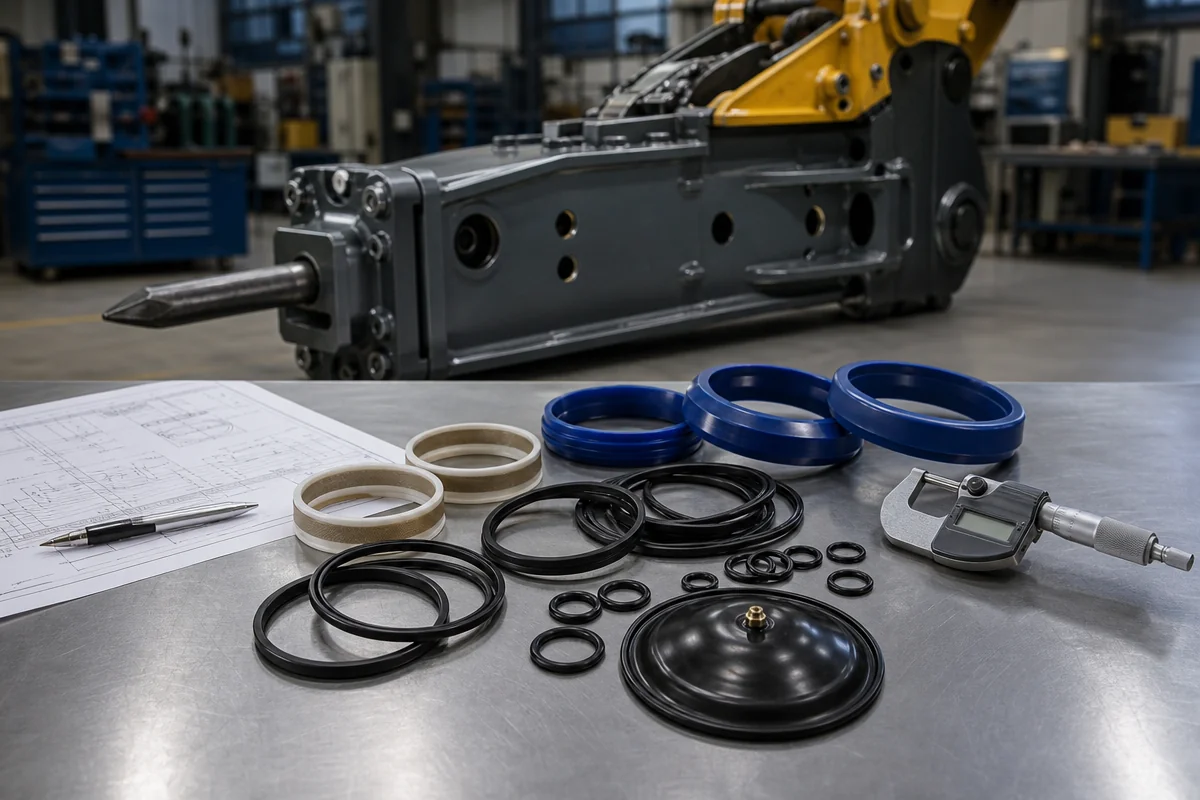 Hydraulic Breaker Hammer Seal Kits: B2B Sourcing, Material Selection, and High-Frequency Shock Protection Guide
2026-10-08
A technical procurement reference for breaker seal kits used on chipping hammers, demolition tools,
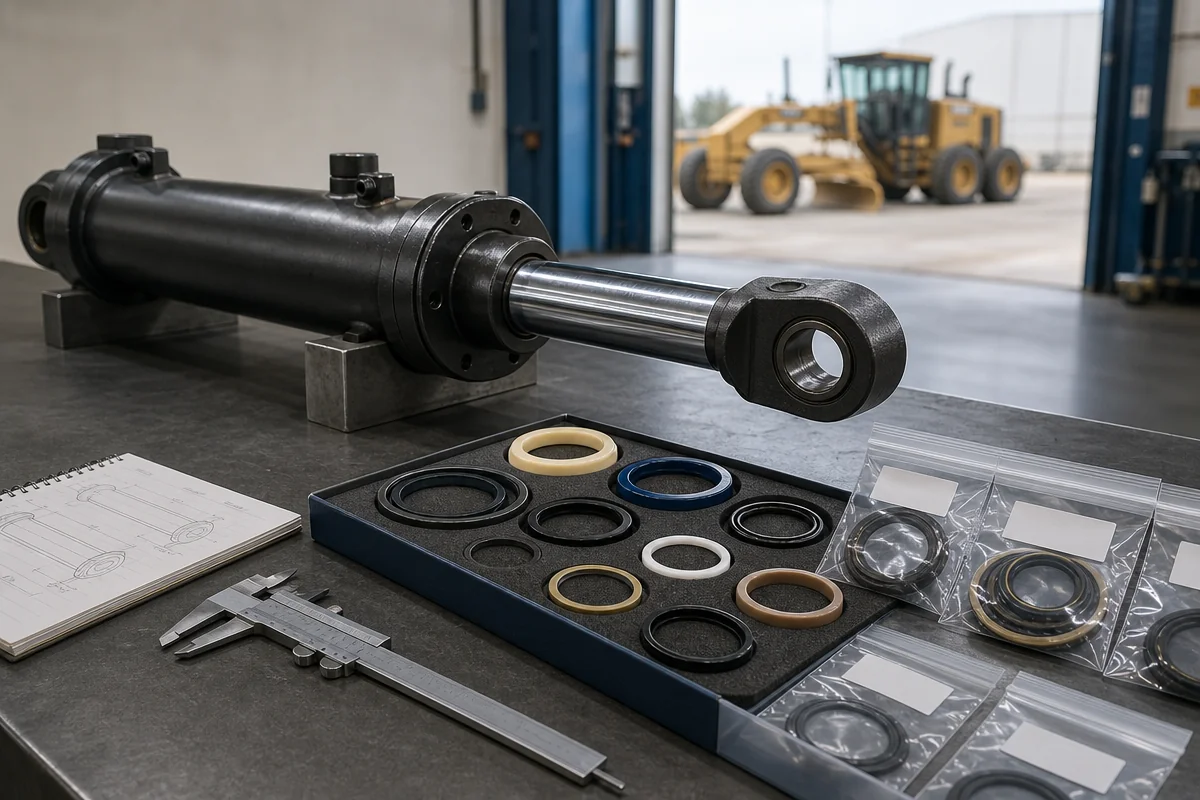 Motor Grader Hydraulic Cylinder Seal Kits: A B2B RFQ and Selection Guide
2026-09-22
Motor grader hydraulic cylinder seal kit RFQ and dimensional inspection workflow.
A motor grader hy