
How to Troubleshoot Overheating in Your Excavator Hydraulic System: The Role of Seals
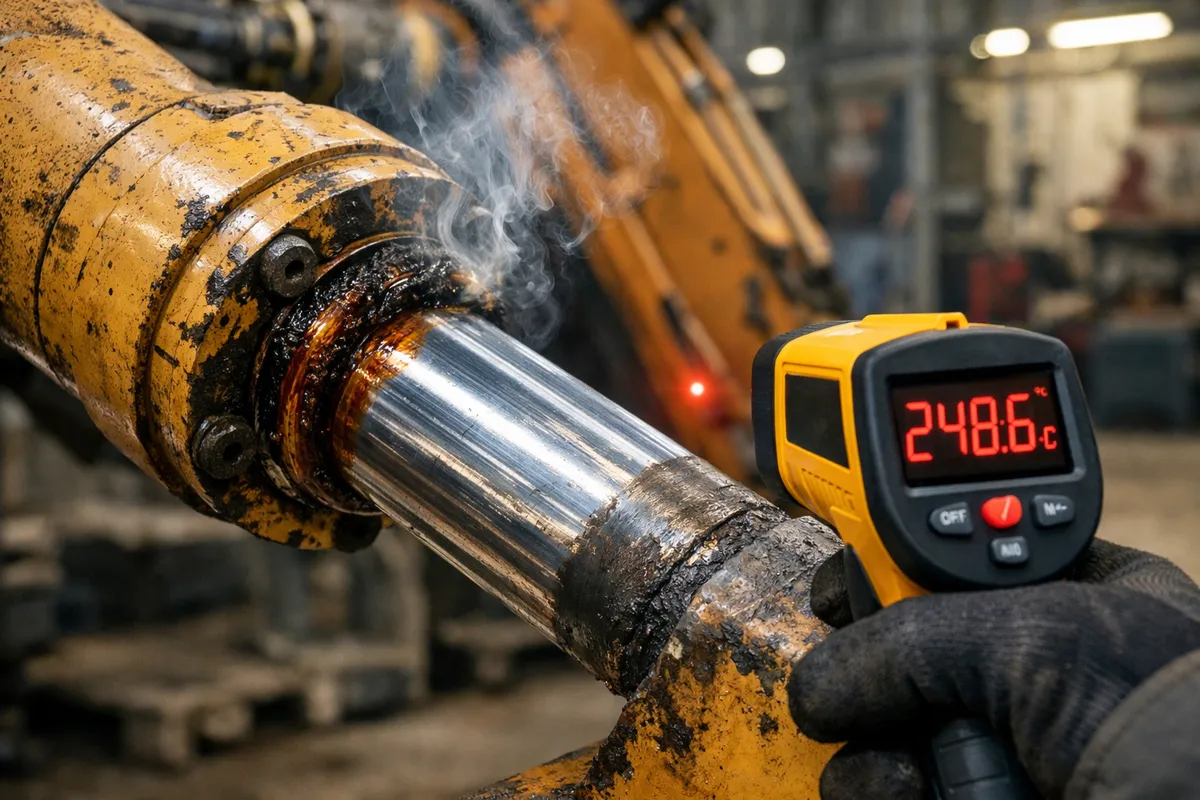
For excavator owners and operators, hydraulic system overheating is a critical issue that can lead to significant downtime, expensive repairs, and reduced machine lifespan. While many factors can contribute to excessive heat, the role of hydraulic seals is often overlooked. Understanding how worn or damaged seals contribute to overheating and knowing how to troubleshoot these issues is essential for maintaining peak performance. As a specialized hydraulic seal kits factory, DJF Seal provides high-performance sealing solutions designed to withstand extreme temperatures and prevent the inefficiencies that lead to overheating.
How Hydraulic Seals Influence System Temperature
Hydraulic seals are designed to contain pressurized fluid and prevent internal and external leakage. When seals begin to fail, they impact system temperature in several ways:
- Internal Leakage (Bypass): Worn piston or rod seals allow pressurized fluid to escape past the sealing surface. This “bypass” creates friction as the fluid is forced through narrow gaps, generating significant heat.
- Increased Pump Workload: To compensate for pressure loss caused by internal leakage, the hydraulic pump must work harder and longer to maintain the required flow and pressure. This increased workload generates additional heat within the pump and the fluid.
- Friction from Damaged Seals: Seals that have become hardened, brittle, or physically damaged can create excessive friction against moving parts, directly contributing to localized heat buildup.
Step-by-Step Troubleshooting for Hydraulic Overheating
If your excavator’s hydraulic system is running hot, follow these steps to identify the cause, with a focus on sealing integrity:
- Check Fluid Levels and Quality: Ensure the hydraulic reservoir is at the correct level. Low fluid reduces the system’s ability to dissipate heat. Also, inspect the fluid for signs of contamination or aeration (foaming), which can increase friction and heat.
- Inspect for External Leaks: Visually examine all cylinders, hoses, and connections for visible oil leaks. External leaks are a clear sign of seal failure and contribute to fluid loss and potential overheating.
- Monitor Cycle Times and Power: If the excavator feels sluggish or has reduced lifting capacity, it may indicate internal leakage. Compare current cycle times with the manufacturer’s specifications.
- Use an Infrared Thermometer: Check the temperature of individual hydraulic cylinders. A cylinder that is significantly hotter than others often indicates internal leakage past the piston seals.
- Inspect the Oil Cooler: Ensure the hydraulic oil cooler is clean and the cooling fan is functioning correctly. A blocked or malfunctioning cooler is a common cause of overheating.
Preventing Overheating with DJF Seal High-Quality Kits
The most effective way to prevent seal-related overheating is to use high-quality, durable excavator hydraulic seal kits. DJF Seal offers OEM-compatible kits that are engineered for excellence:
- Premium Materials: We use advanced materials like high-grade PU and FKM (Viton) that maintain their sealing properties even at elevated temperatures.
- Precision Fit: Our seals are manufactured to strict tolerances, ensuring minimal internal bypass and maximum efficiency.
- Comprehensive Protection: Our kits include all necessary components, including high-quality dust seals to prevent contamination that can lead to seal wear and overheating.
Don’t let overheating sideline your equipment. Proactive maintenance and the use of superior seal kits from DJF Seal are your best defense against excessive heat and its costly consequences.
Ready to optimize your excavator’s hydraulic performance? Visit https://www.djfseal.com to explore our range of high-temperature resistant seal kits and partner with DJF Seal for reliable, long-lasting solutions.
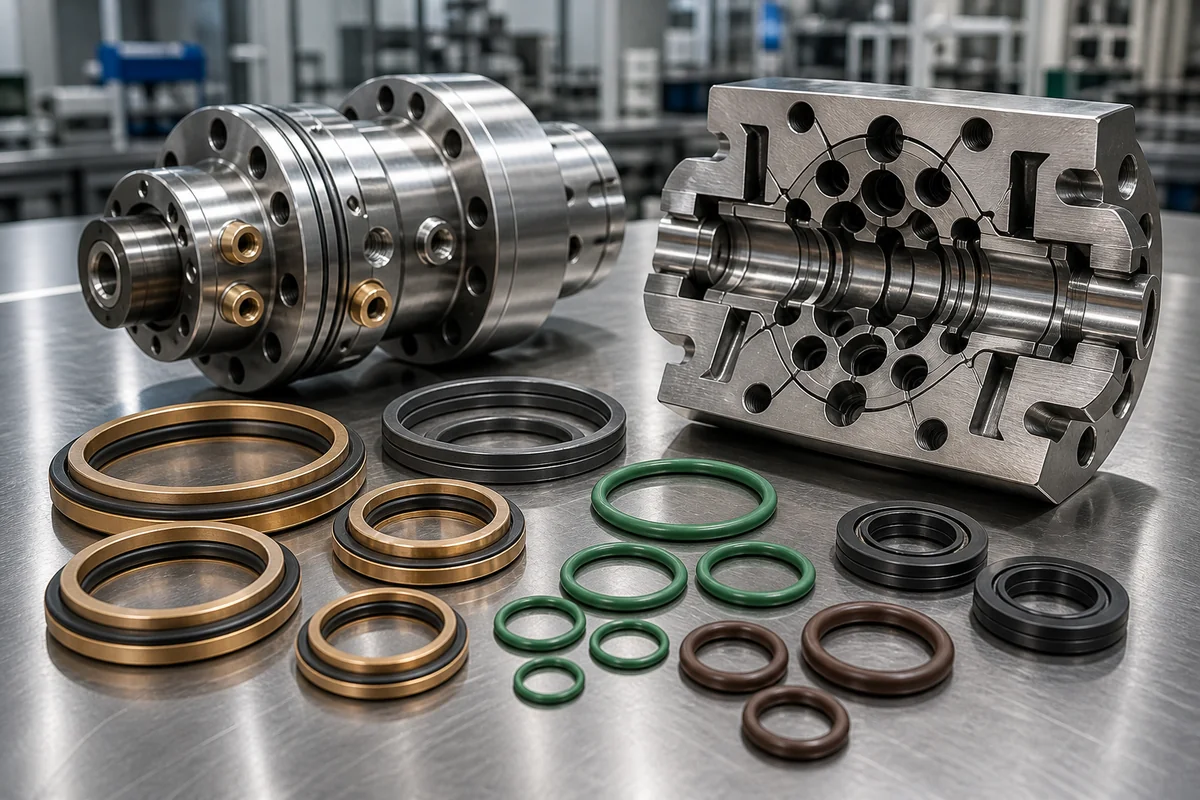 Excavator Center Joint (Swivel Joint) Seal Kits: Internal Cross-Port Leakage Troubleshooting, PTFE Step-Seal Selection & B2B Overhaul Guide
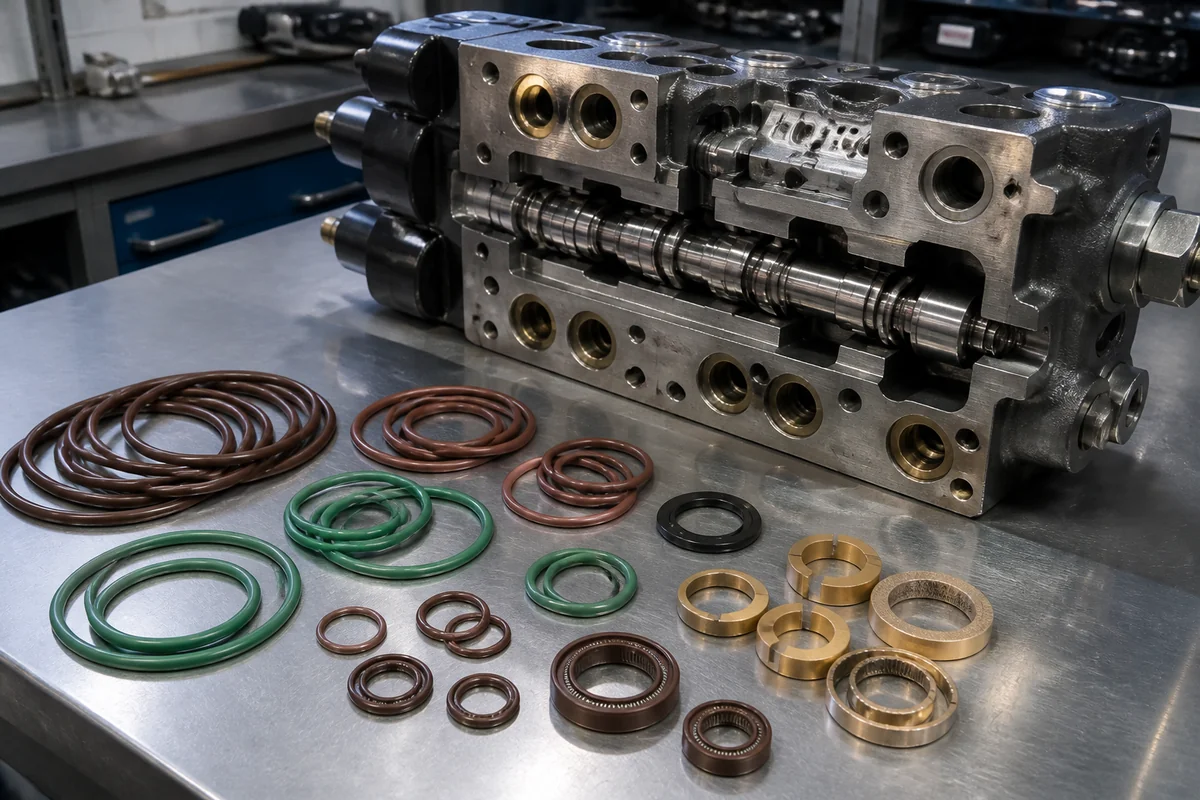 Excavator Main Control Valve Seal Kits: Spool Leakage Troubleshooting, Material Selection & B2B Sourcing Guide
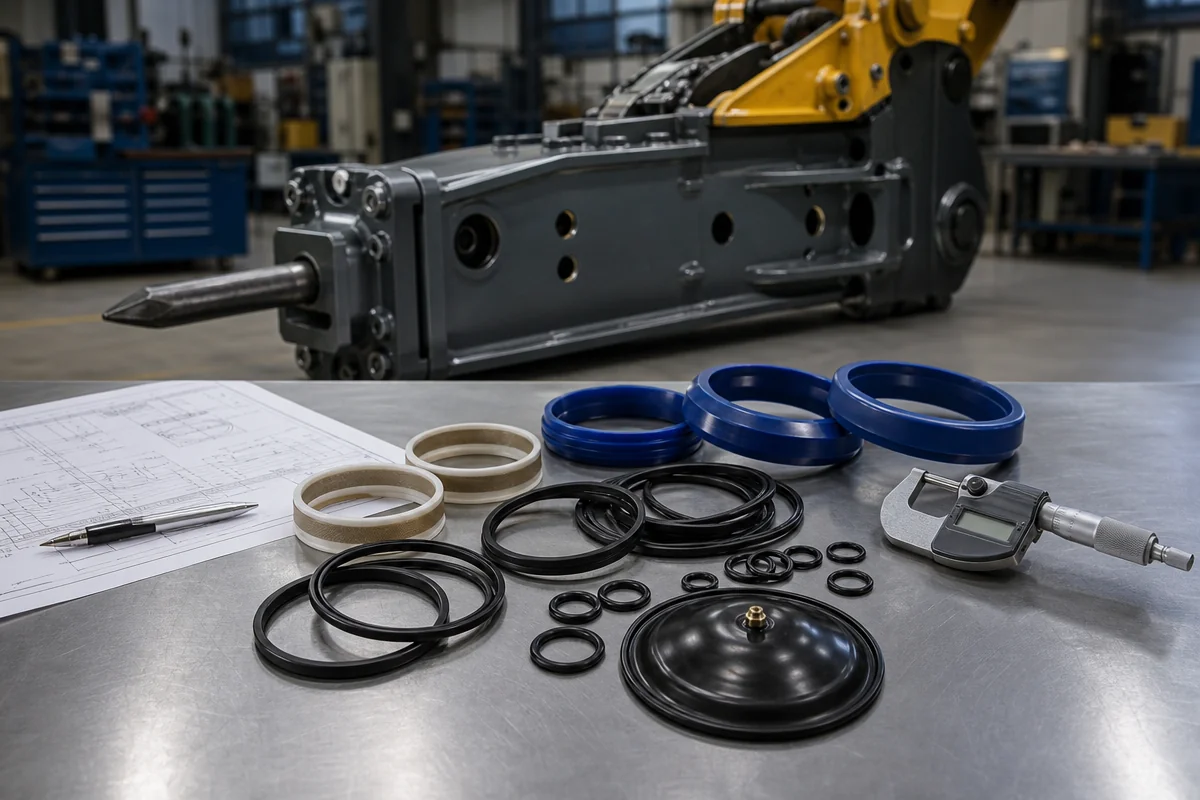 Hydraulic Breaker Hammer Seal Kits: B2B Sourcing, Material Selection, and High-Frequency Shock Protection Guide
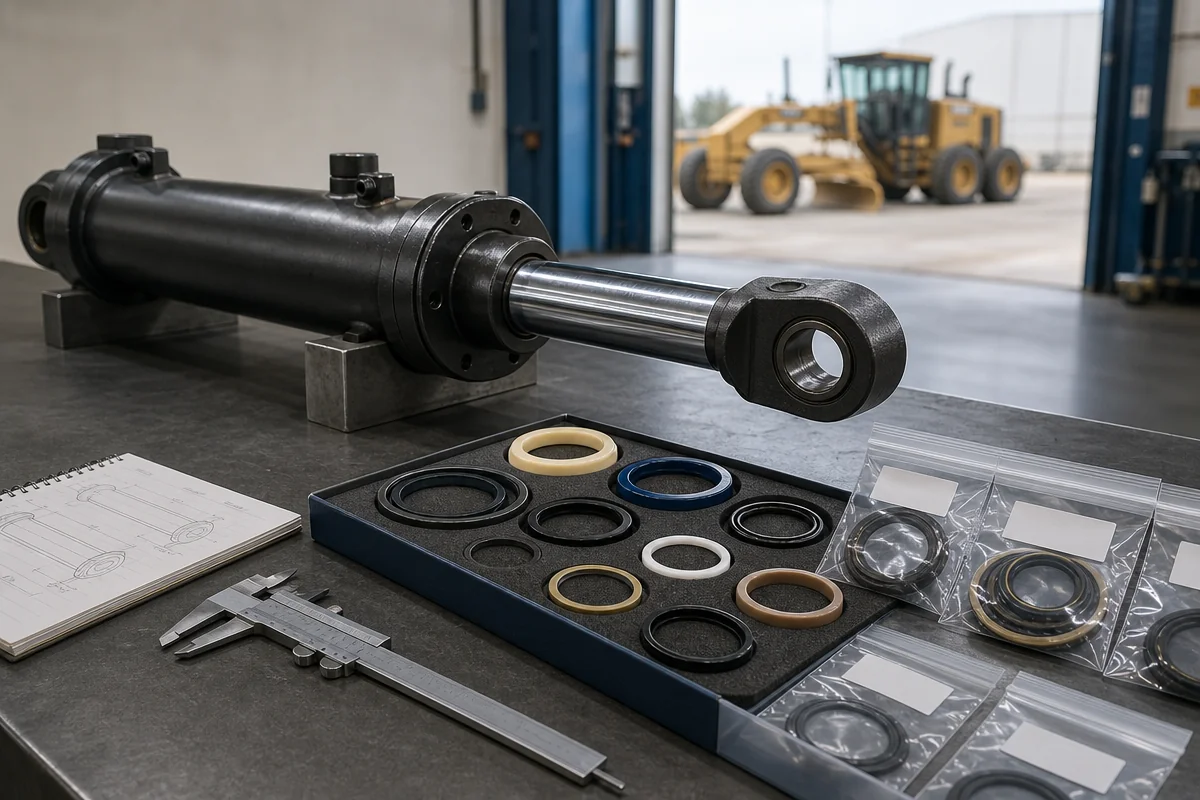 Motor Grader Hydraulic Cylinder Seal Kits: A B2B RFQ and Selection Guide