
Common Signs of Hydraulic Cylinder Seal Failure: A Maintenance Guide for Excavator Owners
For any excavator owner or maintenance professional, understanding the health of the hydraulic system is paramount. The hydraulic cylinder seal kits are the unsung heroes, preventing fluid leakage and maintaining the immense pressures required for heavy-duty operations. However, like all components, they are subject to wear and tear. Recognizing the early signs of seal failure can prevent catastrophic breakdowns, costly repairs, and significant downtime. As a leading hydraulic seal kits factory, DJF Seal provides high-quality replacement seals and aims to equip you with the knowledge to identify and address these issues promptly.
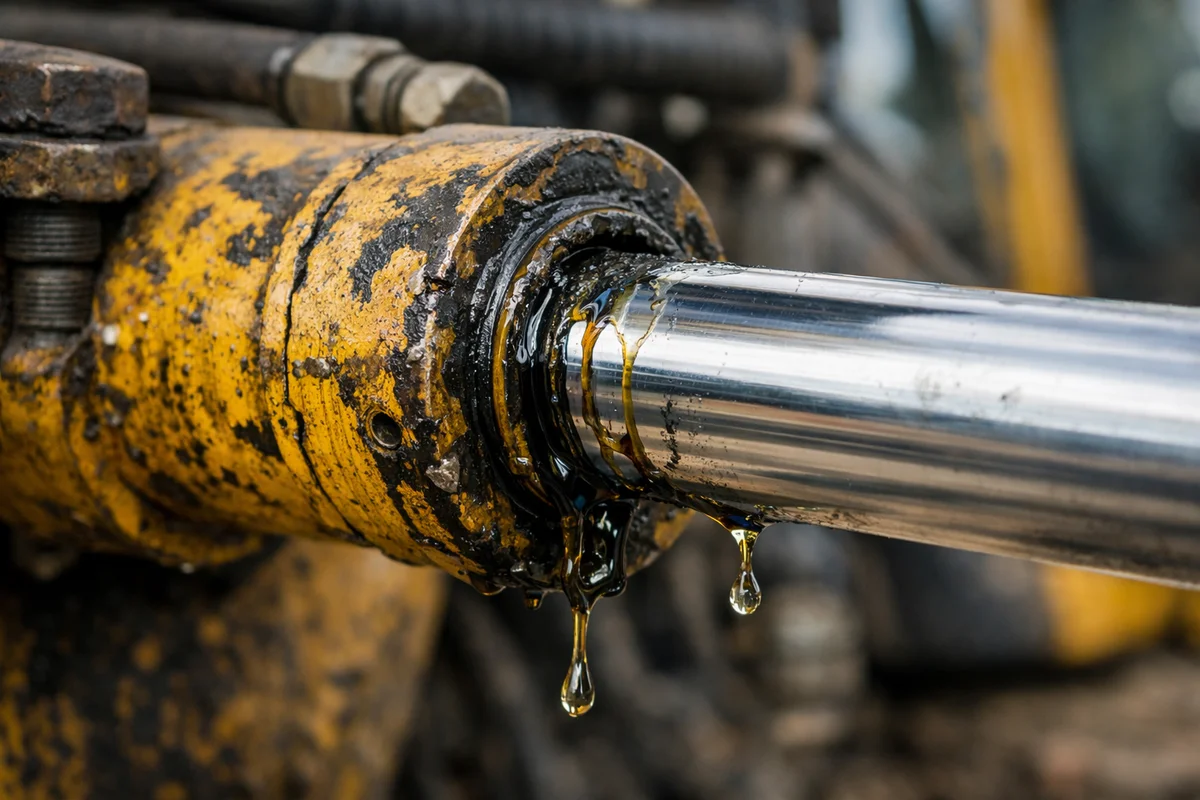
Why Hydraulic Seal Integrity is Crucial
Hydraulic systems in excavators operate under demanding conditions. Seals prevent fluid leakage, maintain pressure, and protect internal components from contamination. The wrong material choice can lead to premature seal failure, costly downtime, and reduced operational efficiency. Therefore, selecting a material that matches the specific application’s requirements (e.g., fluid type, temperature range, pressure, speed, and chemical compatibility) is crucial.
Top 5 Common Signs of Hydraulic Cylinder Seal Failure
1. External Leakage (Visible Oil Leaks)
This is often the most obvious and easily detectable sign. If you notice hydraulic fluid dripping or pooling around the cylinder rod, piston, or other connections, it’s a clear indication that an external seal (like a rod seal or wiper seal) has failed. Even small leaks can lead to significant fluid loss over time, reducing system efficiency and posing environmental hazards.
2. Internal Leakage (Loss of Power, Drift, Slow Operation)
Internal leakage is more insidious as it’s not immediately visible. It occurs when seals between the piston and cylinder bore fail, allowing fluid to bypass the piston. This results in:
- Loss of Power: The excavator’s movements become weak or sluggish.
- Cylinder Drift: The boom, arm, or bucket slowly lowers or moves on its own when held in position.
- Slow Operation: The cylinder extends or retracts slower than usual, even under normal load.
These symptoms indicate that the internal pressure required for operation cannot be maintained, often due to a worn piston seal.
3. Contamination (Fluid Discoloration, Debris)
Failed seals can allow external contaminants (dirt, dust, water) to enter the hydraulic system, or internal seal degradation can introduce debris into the fluid. Signs include:
- Dark or Milky Fluid: Hydraulic fluid that appears discolored, cloudy, or milky.
- Visible Particles: Small rubber particles or metal shavings in the hydraulic fluid or filter.
Contamination accelerates wear on all hydraulic components, including pumps, valves, and other seals, leading to further failures.
4. Abnormal Noise (Hissing, Grinding)
Unusual noises emanating from the hydraulic cylinders can be a warning sign. A hissing sound might indicate fluid bypassing a damaged seal, while grinding or clunking noises could suggest metal-to-metal contact due to excessive seal wear or component misalignment.
5. Overheating of Hydraulic System
Internal leakage causes hydraulic fluid to churn and generate excessive heat as it tries to maintain pressure. This overheating can further degrade seals and fluid, creating a vicious cycle of accelerated wear. If your hydraulic system is consistently running hotter than normal, it’s a strong indicator of underlying seal issues.
The Importance of Timely Replacement
Ignoring these signs can lead to more severe damage, including cylinder scoring, pump failure, and complete system shutdown. Timely replacement of faulty hydraulic seal kits is not just about repair; it’s about preventative maintenance that saves money and extends the operational life of your valuable excavator.
DJF Seal: Your Partner for High-Quality Replacement Seal Kits
At DJF Seal, we understand the critical role of reliable seals. We manufacture a comprehensive range of excavator hydraulic seal kits that are strictly produced according to OEM part numbers and standard dimensions, using high-grade materials (like our VVA series) to ensure optimal performance and durability. Our seals are designed to withstand the harsh conditions of heavy machinery, providing a cost-effective and dependable solution for your repair needs.
Don’t wait for a complete breakdown. If you observe any of these signs, it’s time to inspect and replace your hydraulic cylinder seals. Visit the DJF Seal contact page today to find the right seal kit for your excavator and ensure its continued peak performance. Our expert team is ready to assist B2B wholesalers and repair shops with their procurement needs.
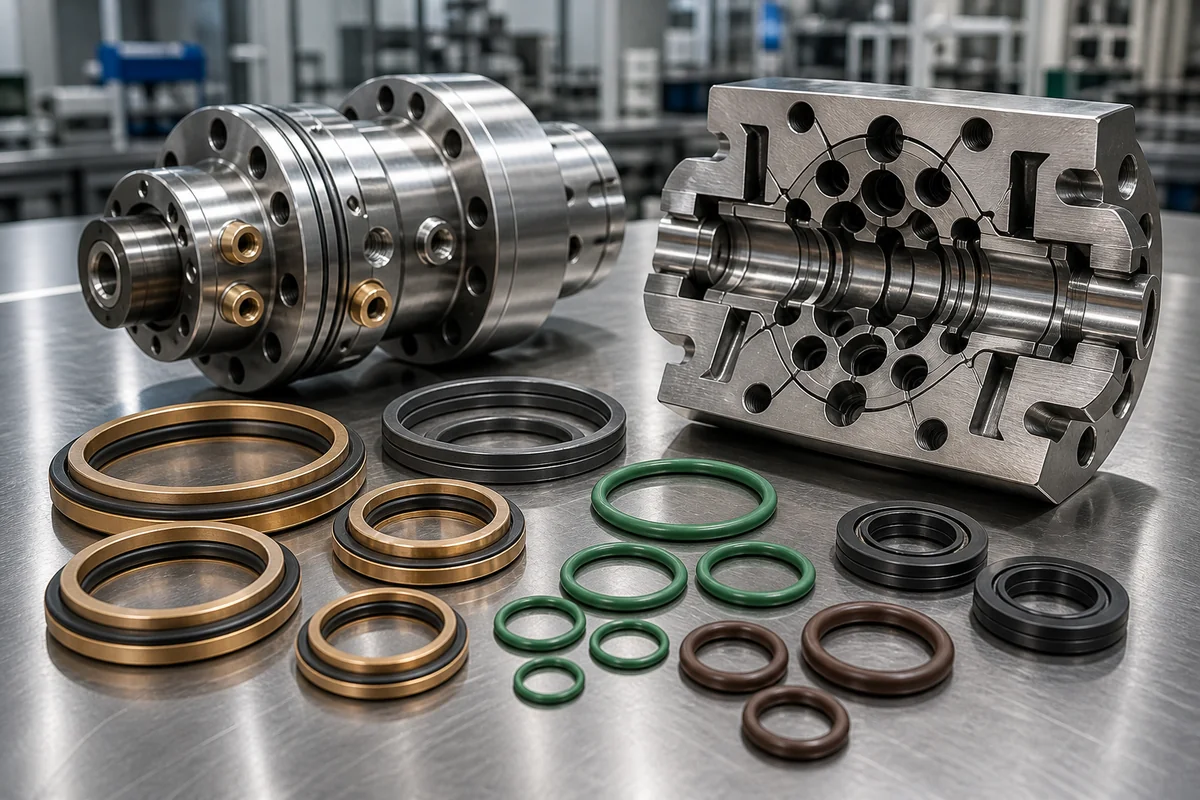 Excavator Center Joint (Swivel Joint) Seal Kits: Internal Cross-Port Leakage Troubleshooting, PTFE Step-Seal Selection & B2B Overhaul Guide
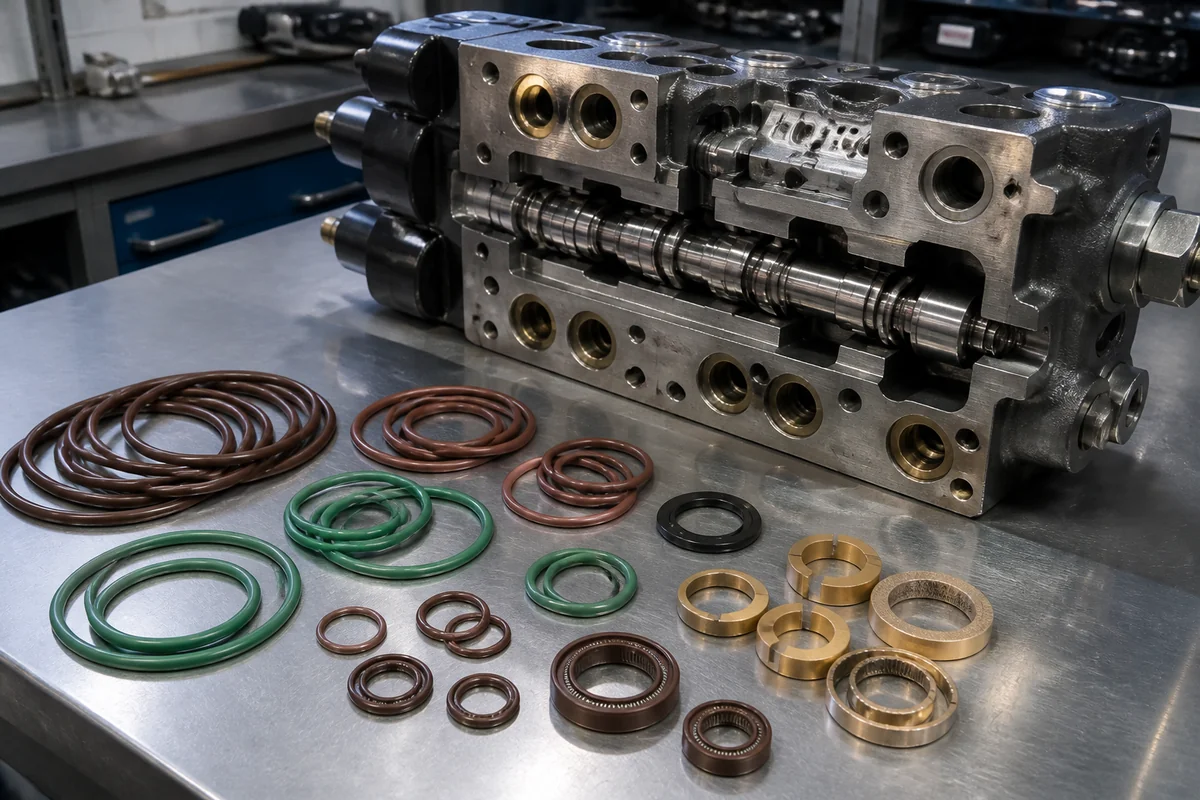 Excavator Main Control Valve Seal Kits: Spool Leakage Troubleshooting, Material Selection & B2B Sourcing Guide
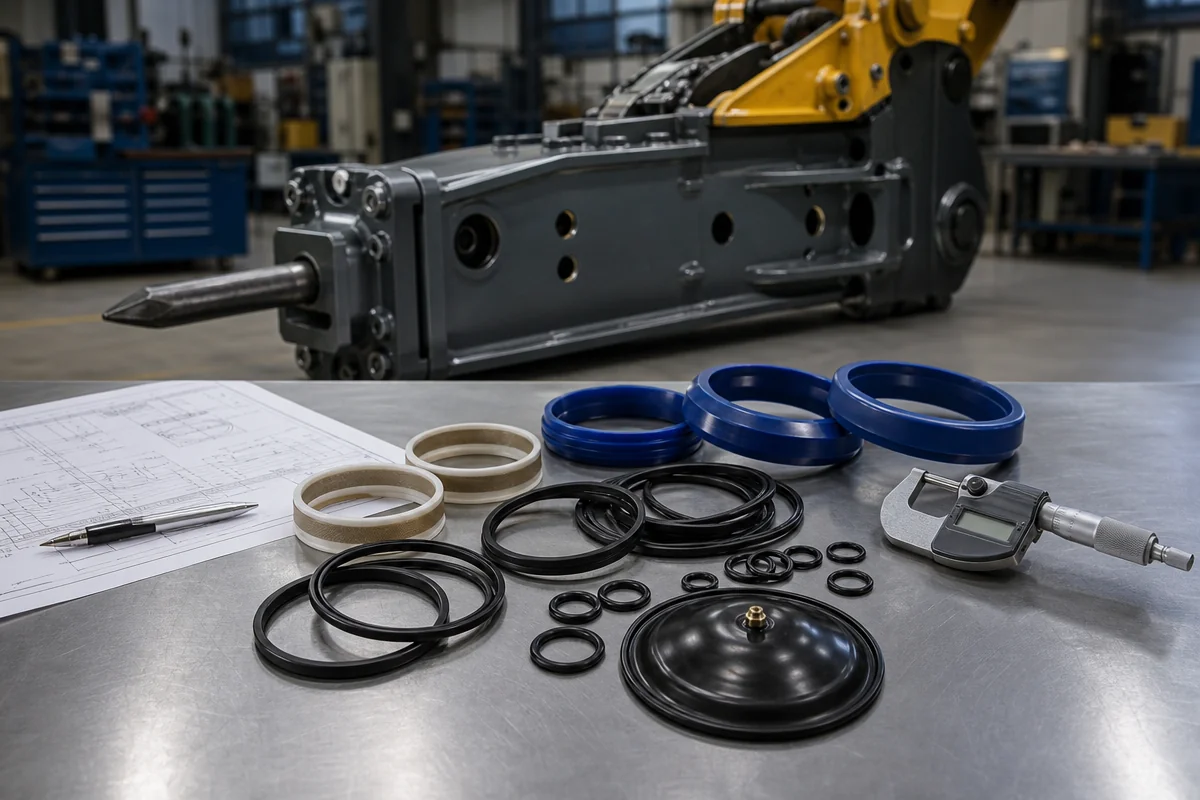 Hydraulic Breaker Hammer Seal Kits: B2B Sourcing, Material Selection, and High-Frequency Shock Protection Guide
 Motor Grader Hydraulic Cylinder Seal Kits: A B2B RFQ and Selection Guide