
Blog
Center Joint Seal Kits: Ensuring Seamless Power Transfer in Excavators
Views :321
Update time :2026-06-18
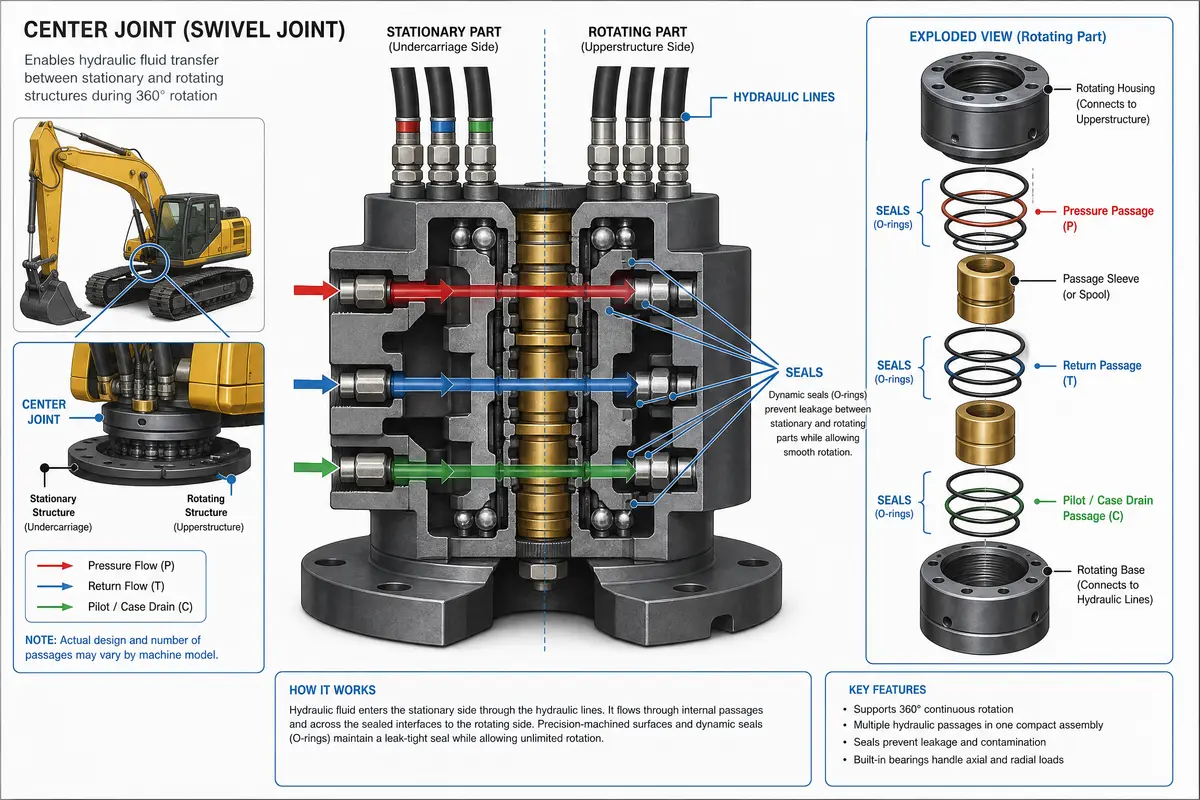
Excavators are marvels of engineering, capable of complex movements and powerful digging operations. A critical, yet often overlooked, component enabling their versatility is the center joint (also known as the swivel joint or rotary joint). This ingenious device allows the upper structure of the excavator to rotate 360 degrees continuously while simultaneously transferring hydraulic fluid, electrical signals, and sometimes air or grease from the stationary lower carriage to the rotating upper structure. The integrity of this power transfer relies heavily on the seals within the center joint. This article will delve into the importance of center joint seal kits, the issues caused by their failure, and how high-quality seal kits ensure seamless power transfer and operational efficiency for B2B heavy machinery operators.
The Function of the Excavator Center Joint
The center joint is located at the heart of the excavator, typically beneath the main frame. Its primary function is to facilitate the continuous flow of hydraulic oil to the travel motors, swing motor, and other components in the upper structure, regardless of the upper structure’s rotational position. Without a properly functioning center joint, the excavator would be unable to move or swing effectively.
The Critical Role of Center Joint Seals
Within the center joint, a series of specialized seals are responsible for preventing hydraulic fluid leakage between the stationary and rotating sections. These seals must withstand:
•High Pressures: Hydraulic systems operate at very high pressures, demanding robust sealing solutions.
•Continuous Rotation: The seals are constantly subjected to dynamic movement and friction.
•Contamination: While internal, fluid contamination can still impact seal integrity.
•Temperature Fluctuations: Operating conditions can lead to varying temperatures, affecting seal material performance.
Symptoms and Causes of Center Joint Seal Failure
Failure of center joint seals can lead to significant operational problems:
Symptoms:
•Reduced Travel Power: The most common symptom is a noticeable loss of power to the travel motors, especially when turning or operating on inclines. This is due to internal leakage within the center joint, causing pressure drops.
•Slow or Weak Swing: Similar to travel power loss, a compromised center joint can affect the swing motor’s performance.
•Overheating Hydraulic Fluid: Internal leakage generates heat, leading to higher hydraulic fluid temperatures.
•External Leaks (less common but possible): In severe cases, fluid might leak externally from the center joint housing.
•Contaminated Hydraulic Fluid: Worn seals can allow debris to enter the hydraulic system.
Causes:
1.Wear and Tear: Continuous rotation and friction naturally degrade seals over time.
2.Contamination: Abrasive particles in the hydraulic fluid can score sealing surfaces.
3.Pressure Surges: Sudden pressure spikes can damage seals.
4.Improper Lubrication: Lack of proper lubrication can accelerate seal wear.
5.Material Degradation: Seals can harden or lose elasticity due to age or chemical incompatibility with the hydraulic fluid.
The Solution: High-Quality Center Joint Seal Kits
Repairing a leaking center joint requires a specialized approach, and the use of a high-quality center joint seal kit is paramount. These kits are designed to provide all the necessary components for a complete and lasting repair.
Benefits of Precision Center Joint Seal Kits:
•Comprehensive Components: A complete kit typically includes all the necessary O-rings, backup rings, and specialized seals required for the specific center joint model.
•Exact Fit and Dimensions: Seals are manufactured to precise OEM specifications, ensuring perfect fitment and optimal sealing performance within the complex structure of the center joint.
•Premium Materials: High-quality materials (e.g., NBR, FKM, PU) are selected for their resistance to high pressure, wear, and hydraulic fluids, ensuring durability and longevity.
•Restored Performance: A successful repair with a quality kit restores full hydraulic pressure and flow, ensuring the excavator’s travel and swing functions operate at peak efficiency.
•Reduced Downtime: Having the correct kit on hand facilitates quicker repairs, minimizing costly operational interruptions.
Conclusion
The center joint is a vital, intricate component in excavators, and its proper functioning is entirely dependent on the integrity of its seals. Leaks in this area can severely impact an excavator’s mobility and overall performance. By understanding the critical role of center joint seal kits and investing in high-quality solutions, B2B heavy machinery operators can ensure seamless power transfer, prevent costly downtime, and maintain the peak operational efficiency of their equipment. DJF Seal provides precision-engineered center joint seal kits designed to meet the rigorous demands of excavator applications, keeping your machinery moving smoothly.
Related News
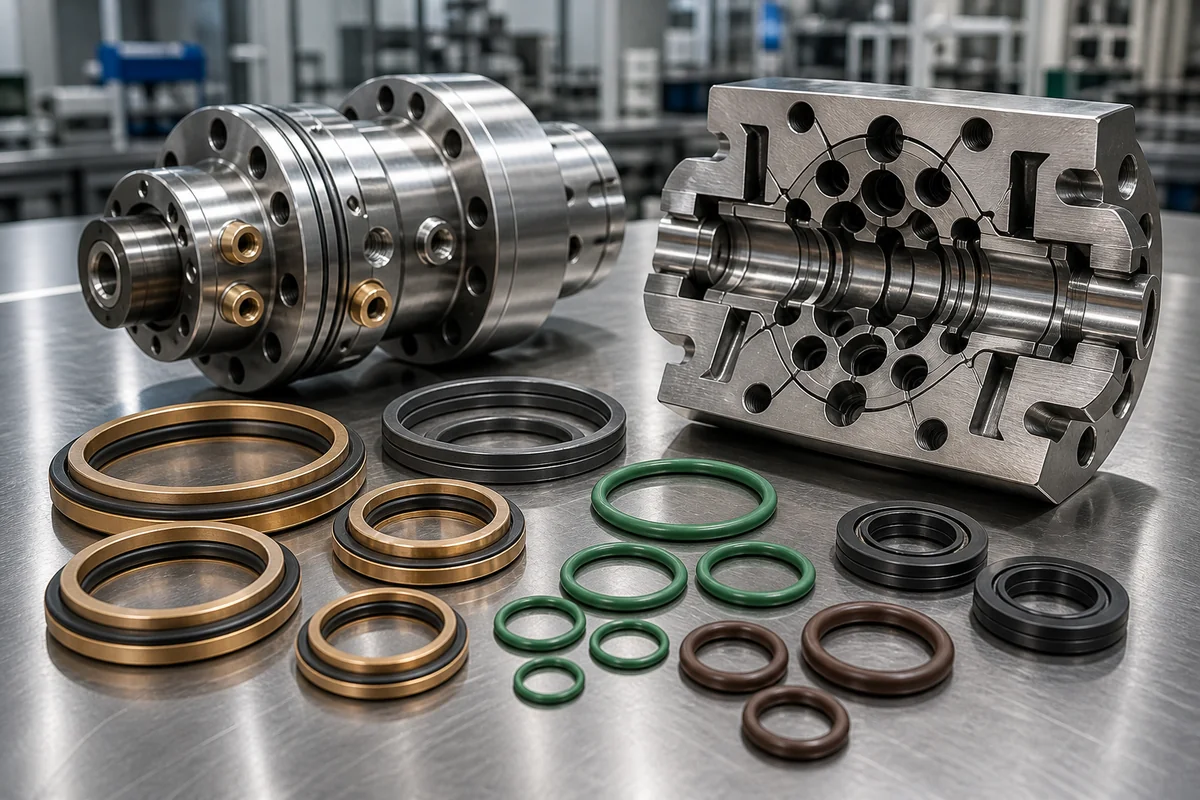 Excavator Center Joint (Swivel Joint) Seal Kits: Internal Cross-Port Leakage Troubleshooting, PTFE Step-Seal Selection & B2B Overhaul Guide
2026-10-16
In modern hydraulic excavators, the Center Joint—also commonly referred to in the heavy equipment af
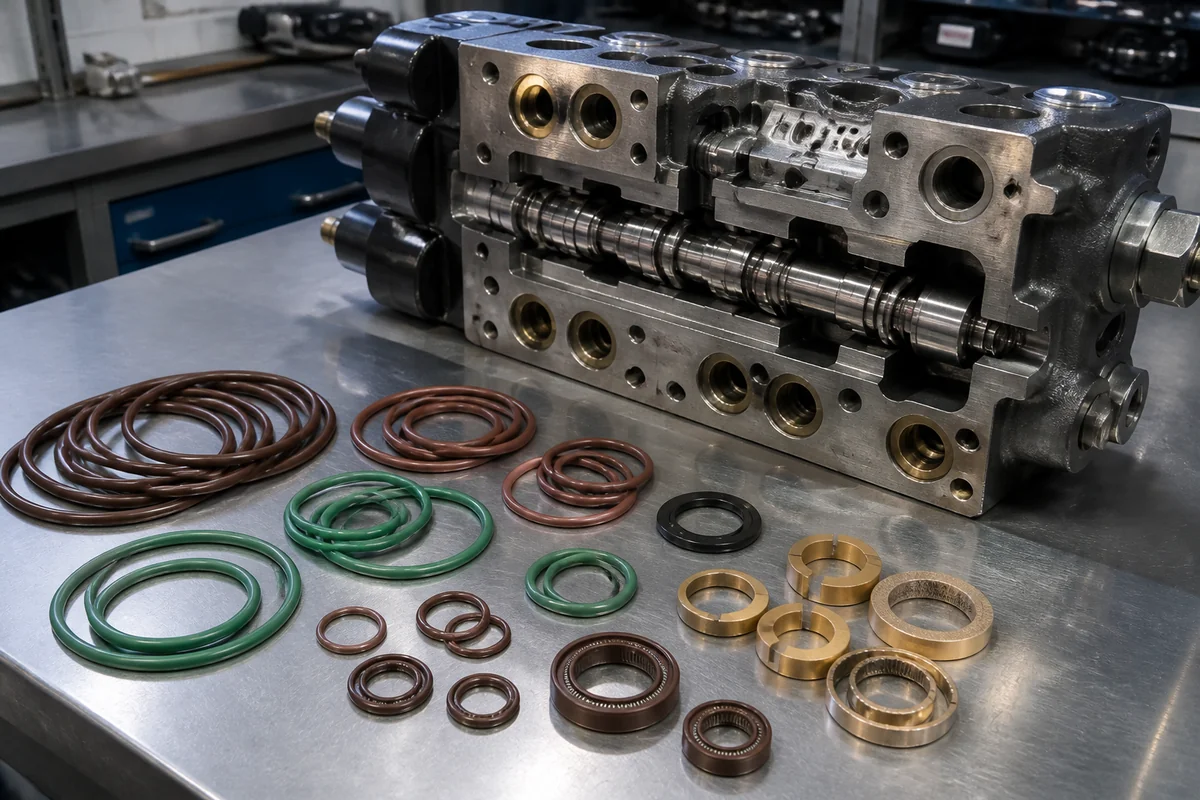 Excavator Main Control Valve Seal Kits: Spool Leakage Troubleshooting, Material Selection & B2B Sourcing Guide
2026-10-13
In modern hydraulic excavators, the Main Control Valve (MCV) acts as the central neurological and fl
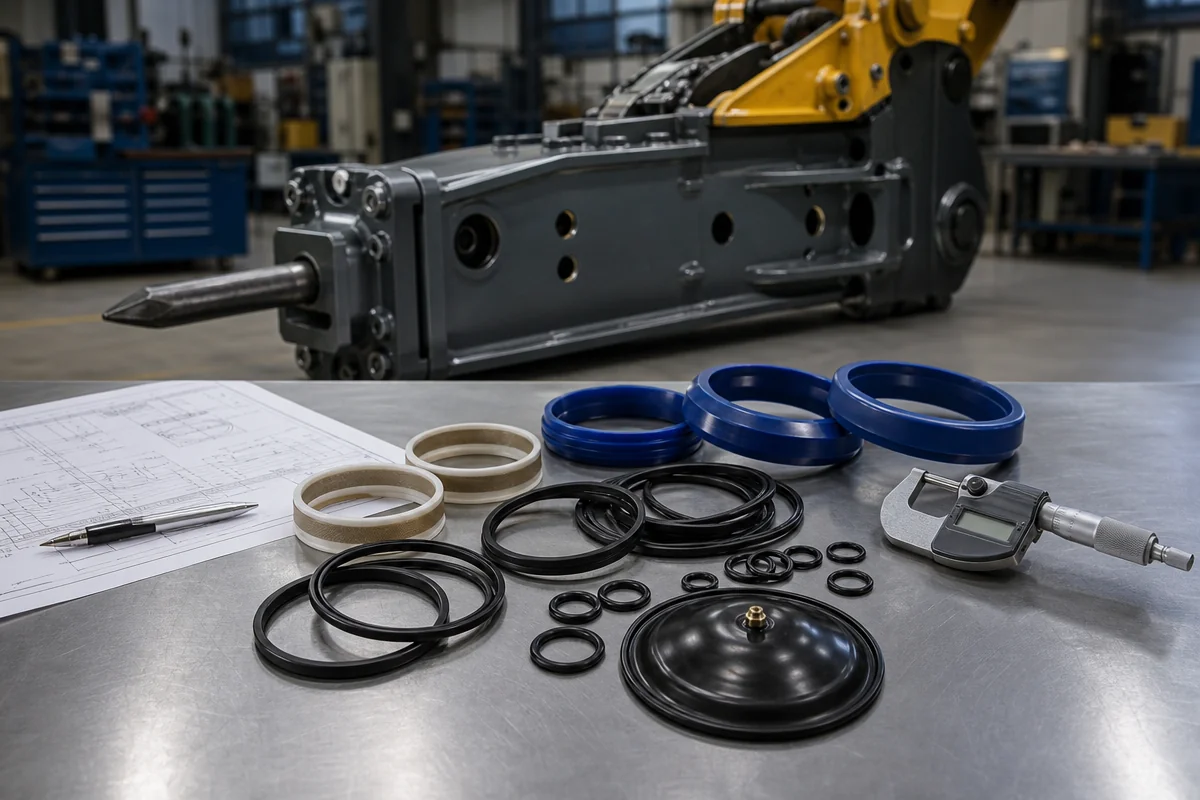 Hydraulic Breaker Hammer Seal Kits: B2B Sourcing, Material Selection, and High-Frequency Shock Protection Guide
2026-10-08
A technical procurement reference for breaker seal kits used on chipping hammers, demolition tools,
 Motor Grader Hydraulic Cylinder Seal Kits: A B2B RFQ and Selection Guide
2026-09-22
Motor grader hydraulic cylinder seal kit RFQ and dimensional inspection workflow.
A motor grader hy