
Blog
The Critical Role of Buffer Seals in High-Pressure Hydraulic Systems
Views :272
Update time :2026-06-17
In the demanding environment of modern hydraulic machinery, components are constantly subjected to extreme pressures, rapid cycles, and aggressive fluids. While rod seals are primarily responsible for preventing external leakage, they often face immense pressure spikes that can lead to premature failure. This is where buffer seals play a critical, often underestimated, role. This article delves into the function, benefits, and importance of buffer seals, particularly in high-pressure hydraulic systems, helping B2B buyers understand how these components, like the H605 seal, contribute to system longevity and reliability.
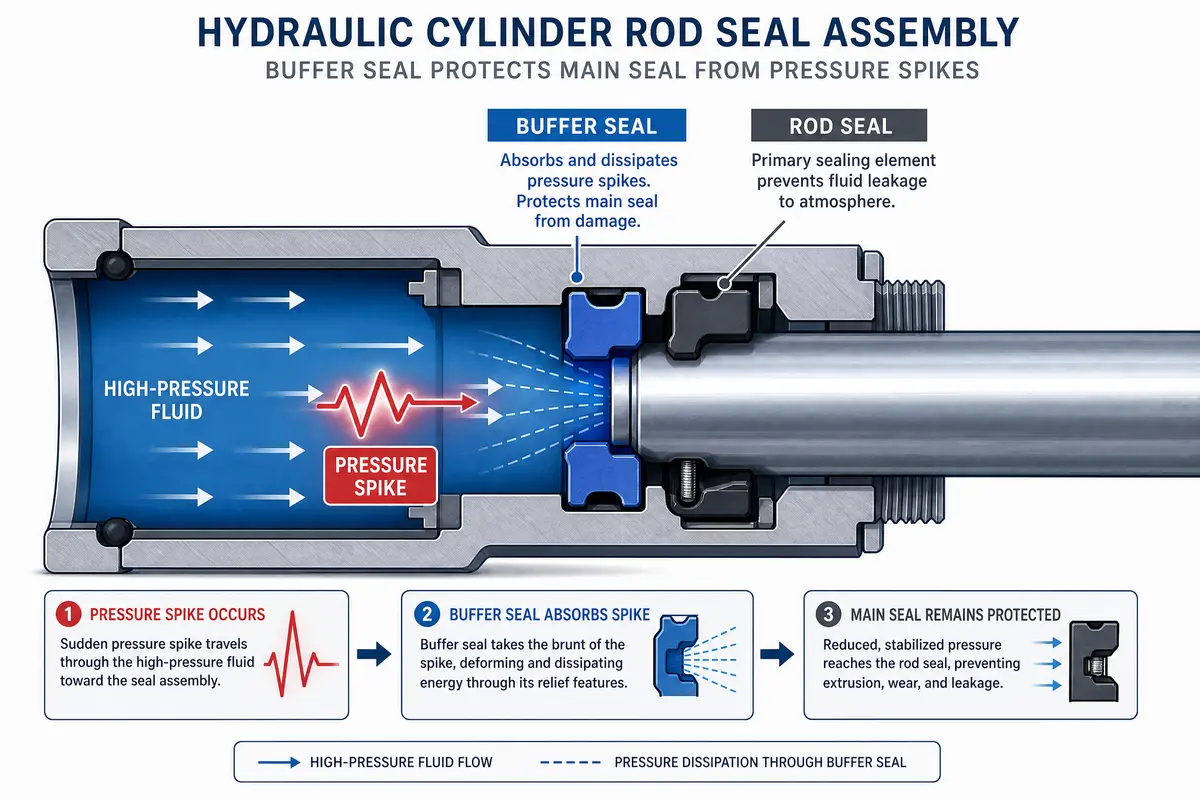
What is a Buffer Seal?
A buffer seal, also known as a pressure buffer ring or secondary seal, is typically positioned directly in front of the primary rod seal (on the pressure side) within a hydraulic cylinder. Its main purpose is not to provide the primary seal against leakage, but rather to protect the primary rod seal from the full impact of system pressure spikes and rapid pressure changes.
How Buffer Seals Protect Your Hydraulic System
Buffer seals perform several vital functions that significantly enhance the performance and lifespan of hydraulic cylinders:
1.Pressure Spike Attenuation: Hydraulic systems can experience sudden and intense pressure surges, especially during rapid changes in direction or load. These spikes can momentarily exceed the design limits of the primary rod seal, causing extrusion or damage. The buffer seal acts as a dampener, absorbing and evening out these pressure fluctuations before they reach the main rod seal, thereby protecting it from excessive stress.
2.Extrusion Prevention: Under high pressure, the primary rod seal can be forced into the clearance gap between the rod and the cylinder head, leading to extrusion and eventual failure. Buffer seals are designed with robust, anti-extrusion features that bridge this gap, preventing the primary seal from being squeezed out.
3.Contamination Barrier: While not their primary role, buffer seals also provide an additional barrier against external contaminants that might bypass the wiper seal, further protecting the internal components and the primary rod seal.
4.Improved System Reliability: By protecting the primary rod seal, buffer seals contribute to a more stable and reliable hydraulic system. This translates to reduced downtime, lower maintenance costs, and consistent operational performance.
5.Extended Seal Lifespan: The protection offered by buffer seals significantly extends the operational life of the primary rod seal, reducing the frequency of replacements and associated labor.
The H605 Buffer Seal: A High-Performance Solution
The H605 buffer seal is an excellent example of a high-performance buffer seal designed for demanding hydraulic applications. Typically made from advanced polyurethane (PU) or other high-grade elastomers, the H605 profile is engineered to withstand high pressures and provide superior anti-extrusion properties. Its robust design ensures effective pressure distribution and protection for the primary rod seal, even in the most challenging operating conditions.
When to Use Buffer Seals
Buffer seals are particularly recommended for:
•High-Pressure Applications: Systems operating at consistently high pressures or experiencing frequent pressure spikes.
•Heavy-Duty Cylinders: In construction, mining, agricultural, and industrial machinery where cylinders are subjected to heavy loads and harsh environments.
•Long-Stroke Cylinders: Where the rod seal is exposed to a longer travel distance and potentially more wear.
•Systems Requiring Maximum Uptime: Where minimizing downtime and extending maintenance intervals are critical.
Conclusion
Buffer seals are not merely an optional component but a critical investment in the longevity and efficiency of high-pressure hydraulic systems. By effectively managing pressure spikes and preventing extrusion, they safeguard the primary rod seal, reduce maintenance needs, and ensure uninterrupted operation. For B2B buyers seeking to enhance the reliability and performance of their hydraulic machinery, incorporating high-quality buffer seals like the H605 is a strategic decision that pays dividends in reduced costs and increased productivity. DJF Seal offers a range of precision-engineered buffer seals to meet the rigorous demands of your hydraulic applications.
Related News
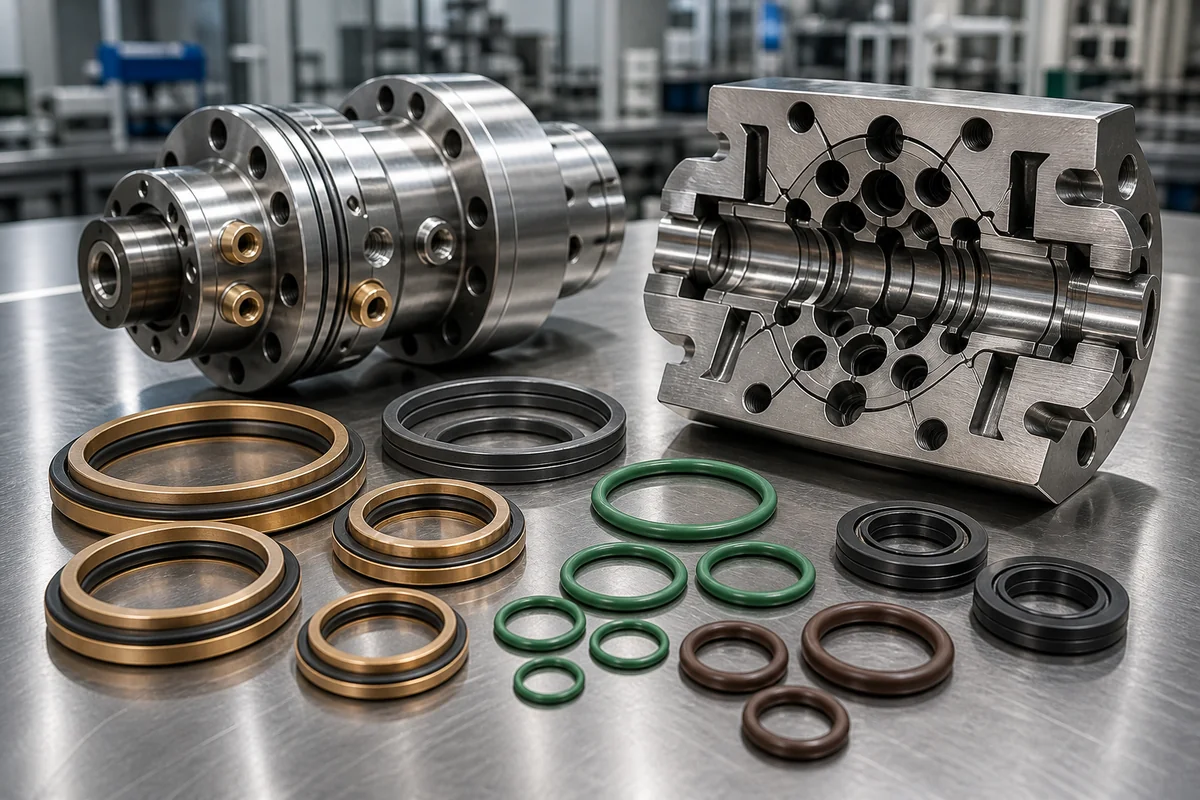 Excavator Center Joint (Swivel Joint) Seal Kits: Internal Cross-Port Leakage Troubleshooting, PTFE Step-Seal Selection & B2B Overhaul Guide
2026-10-16
In modern hydraulic excavators, the Center Joint—also commonly referred to in the heavy equipment af
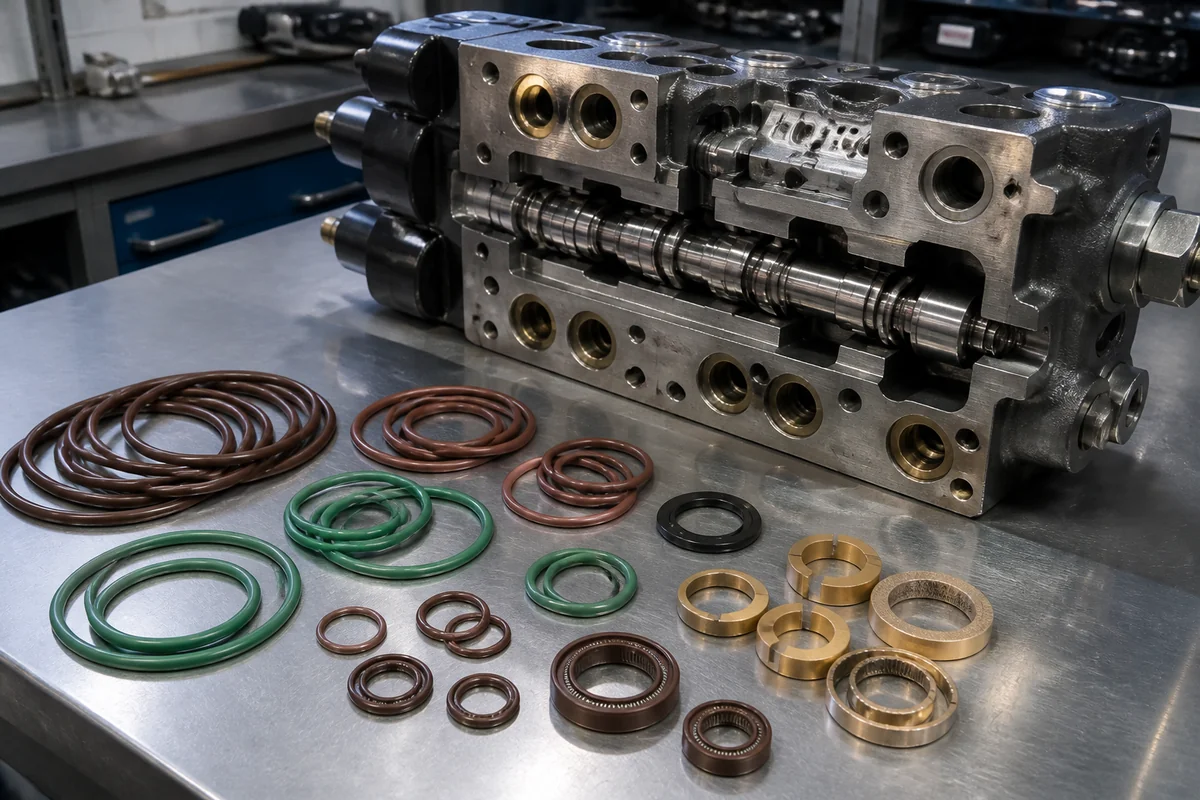 Excavator Main Control Valve Seal Kits: Spool Leakage Troubleshooting, Material Selection & B2B Sourcing Guide
2026-10-13
In modern hydraulic excavators, the Main Control Valve (MCV) acts as the central neurological and fl
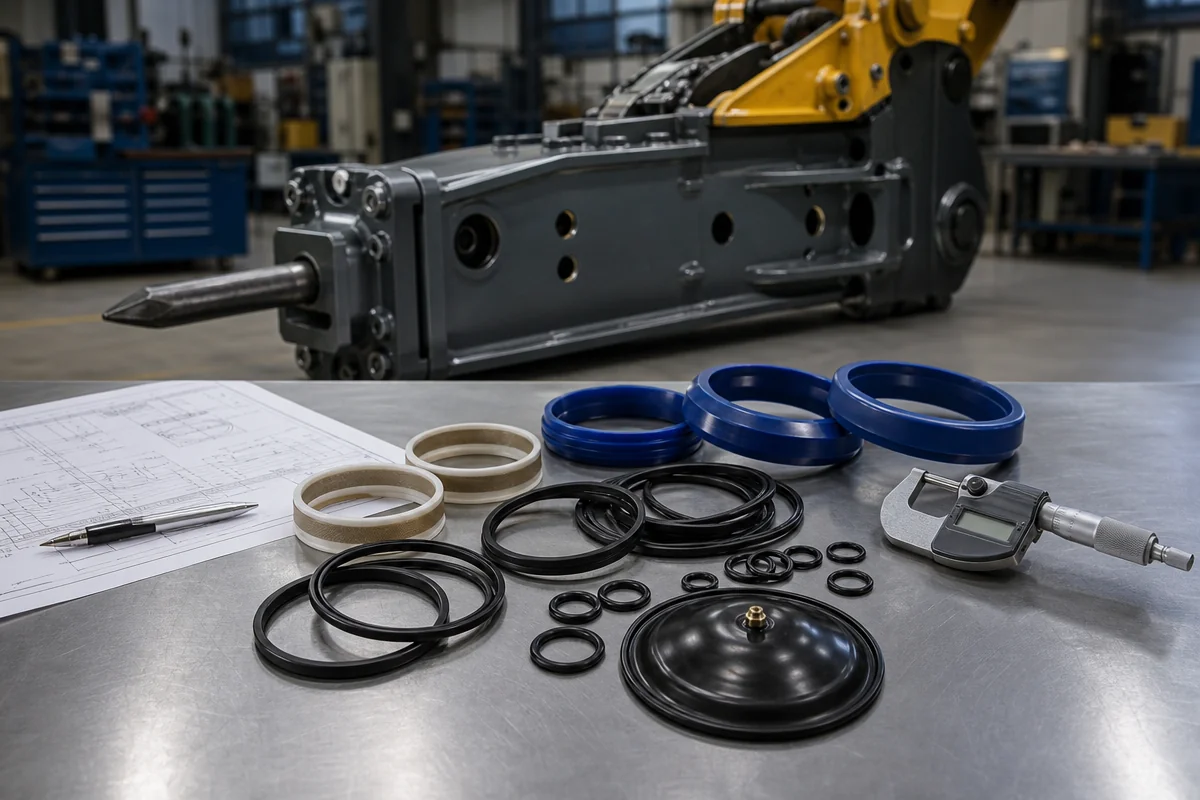 Hydraulic Breaker Hammer Seal Kits: B2B Sourcing, Material Selection, and High-Frequency Shock Protection Guide
2026-10-08
A technical procurement reference for breaker seal kits used on chipping hammers, demolition tools,
 Motor Grader Hydraulic Cylinder Seal Kits: A B2B RFQ and Selection Guide
2026-09-22
Motor grader hydraulic cylinder seal kit RFQ and dimensional inspection workflow.
A motor grader hy