High-Pressure Performance: Why Your Excavator Hydraulic Seals Must Be Able to Withstand High Pressure
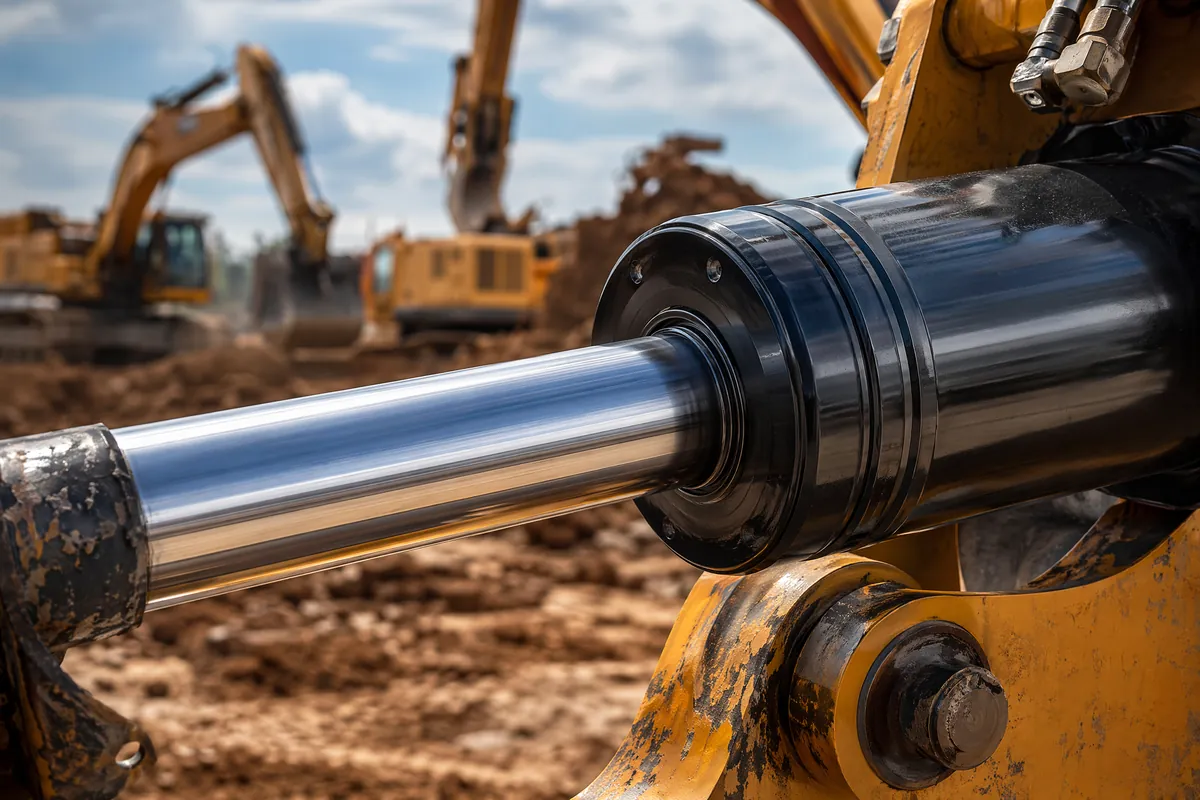
Excavators are workhorses of the construction and mining industries, constantly subjected to immense forces and extreme operating conditions. At the heart of their power lies the hydraulic system, where fluid is pressurized to thousands of PSI to drive booms, arms, and buckets. In such a demanding environment, the integrity of every component is critical, none more so than the hydraulic seals. A failure in a single seal under high pressure can lead to rapid fluid loss, system malfunction, and costly downtime. As a specialized hydraulic seals and seal kits factory with over two decades of experience, DJF Seal understands that for B2B buyers, selecting seals capable of **high-pressure performance** is not merely a specification—it’s a non-negotiable requirement for operational reliability and safety. This article delves into why high-pressure resistance is paramount for excavator hydraulic seals and what makes a seal truly robust under strain.
1. The Demands of High-Pressure Hydraulic Systems in Excavators
Modern excavators operate at increasingly higher hydraulic pressures to achieve greater lifting capacities, faster cycle times, and more precise control. Typical operating pressures can range from 3,000 PSI (200 bar) to over 6,000 PSI (400 bar), with peak pressures potentially exceeding these values during sudden impacts or heavy loads. These extreme pressures place immense stress on hydraulic seals, which must:
- Maintain Sealing Integrity: Prevent fluid bypass and external leakage under continuous high pressure.
- Resist Extrusion: Avoid being forced into the clearance gaps between metal components, which can lead to rapid seal damage and failure.
- Withstand Dynamic Loads: Endure rapid pressure fluctuations and high-speed rod movements without degradation.
- Operate Across Temperatures: Perform reliably from freezing cold starts to scorching hot operating temperatures, often exacerbated by pressure-induced heat.
2. The Science Behind High-Pressure Seal Failure: Extrusion Gap
The primary mode of failure for seals in high-pressure environments is often **extrusion**. This occurs when the pressure differential across the seal is so great that the seal material is forced into the clearance gap between the piston/rod and the cylinder bore/gland. Once extruded, the seal material is quickly abraded and torn, leading to rapid leakage and complete failure.
Factors influencing extrusion include:
- Pressure Magnitude: Higher pressures increase the force pushing the seal into the gap.
- Clearance Gap Size: Larger gaps provide more space for the seal to extrude.
- Seal Material Hardness: Softer materials are more prone to extrusion.
- Temperature: Elevated temperatures can soften seal materials, making them more susceptible to extrusion.
3. Engineering High-Pressure Resistance: Materials and Design
To combat extrusion and ensure reliable high-pressure performance, specialized materials and innovative seal designs are crucial:
3.1 Advanced Material Selection
- High-Performance Polyurethane (PU): Offers excellent abrasion resistance, high tensile strength, and good extrusion resistance, making it a preferred choice for many high-pressure applications.
- PTFE (Polytetrafluoroethylene): Often used in combination with O-rings or elastomeric energizers, PTFE provides very low friction and excellent chemical resistance. Its high hardness can be further enhanced with fillers (e.g., bronze, glass fiber) to improve extrusion resistance.
- Reinforced Elastomers: Specially formulated NBR or FKM compounds with higher hardness or fabric reinforcement can also be used for specific high-pressure scenarios.
3.2 Optimized Seal Design
- Anti-Extrusion Rings (Back-up Rings): These are rigid rings (often made of harder plastic like POM or PTFE) placed on the low-pressure side of the seal to bridge the extrusion gap, physically preventing the softer seal material from extruding.
- Compact Seal Profiles: Designs that minimize the unsupported area of the seal.
- Asymmetrical Designs: Rod and piston seals are often designed with specific lip geometries to optimize sealing performance and pressure distribution.
- Integrated Designs: Combining multiple sealing elements into a single, robust unit to enhance overall pressure resistance and simplify installation.
4. The DJF Seal Advantage: Engineered for Extreme Pressure
As a leading **hydraulic seals and seal kits factory** specializing in B2B wholesale, DJF Seal has engineered its products to meet and exceed the rigorous demands of high-pressure excavator applications. Our commitment to **high-pressure hydraulic seals** is reflected in:
- Premium Material Formulations: Utilizing proprietary PU and PTFE compounds with optimized hardness and extrusion resistance.
- Precision Manufacturing: State-of-the-art CNC machining ensures tight tolerances and optimal seal geometries, crucial for high-pressure integrity.
- Robust Seal Kit Assembly: Our **excavator seal kits** often include advanced anti-extrusion rings and multi-component seals designed for maximum pressure capability.
- Rigorous Testing: Each batch undergoes stringent quality control, including pressure testing, to ensure consistent performance in the field.
- Expert Consultation: Our engineering team provides guidance on selecting the right seals for your specific high-pressure applications, ensuring long-term reliability.
For B2B buyers, choosing DJF Seal means partnering with a manufacturer that understands the critical importance of **heavy-duty hydraulic seals** and delivers solutions built to withstand the most extreme operational strains.
Conclusion: Invest in Pressure-Resistant Reliability
The performance and longevity of your excavator fleet are directly tied to the resilience of its hydraulic seals, especially their ability to perform under high pressure. Neglecting this critical aspect can lead to frequent failures, expensive repairs, and significant operational disruptions. By prioritizing **high-pressure hydraulic seals** engineered with advanced materials and intelligent designs, B2B buyers can safeguard their investments, minimize downtime, and ensure their heavy machinery operates at peak efficiency. Partner with a factory like DJF Seal, where decades of expertise in **excavator seal kits** translate into unparalleled reliability, even when the pressure is on.
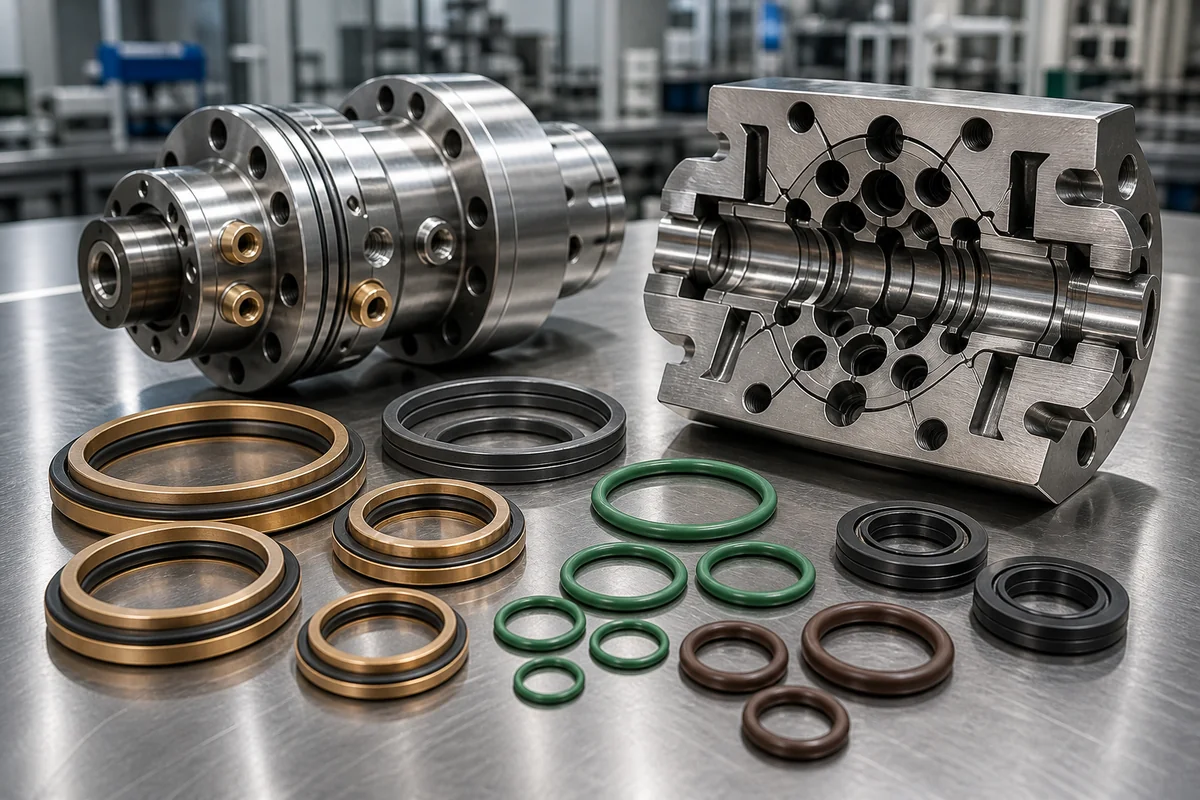 Excavator Center Joint (Swivel Joint) Seal Kits: Internal Cross-Port Leakage Troubleshooting, PTFE Step-Seal Selection & B2B Overhaul Guide
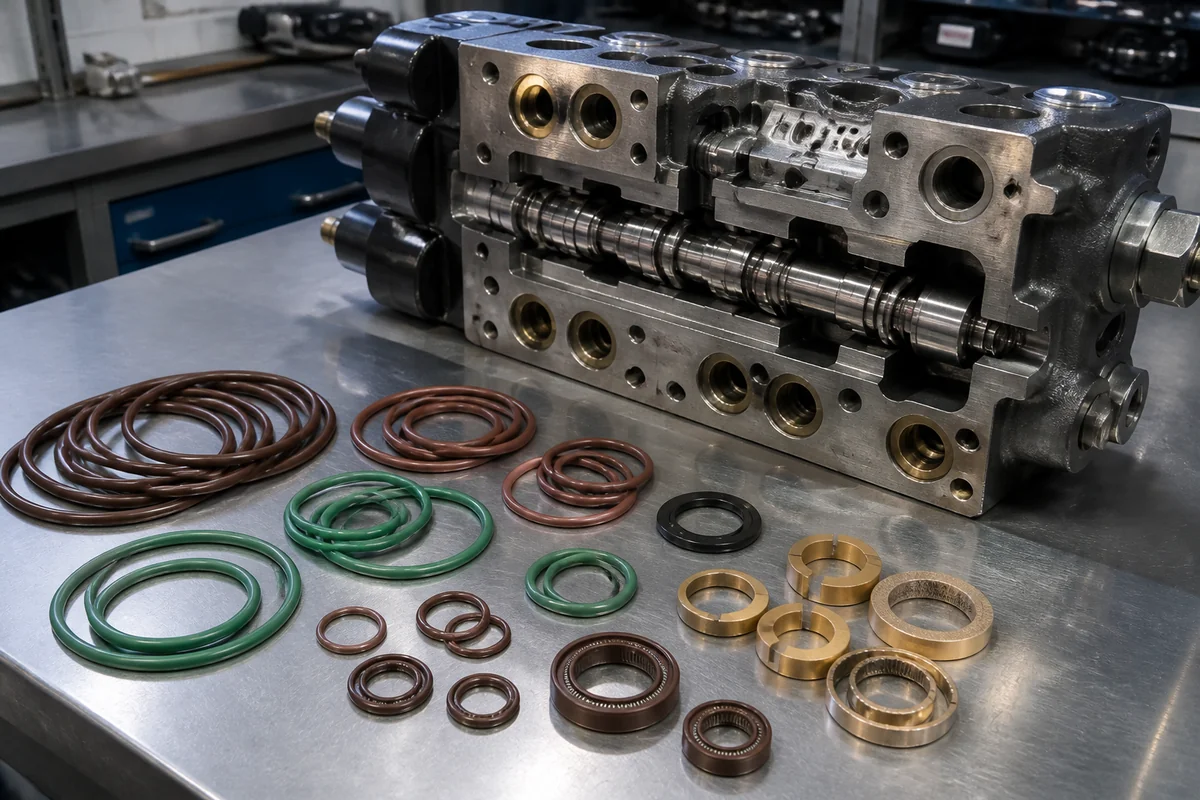 Excavator Main Control Valve Seal Kits: Spool Leakage Troubleshooting, Material Selection & B2B Sourcing Guide
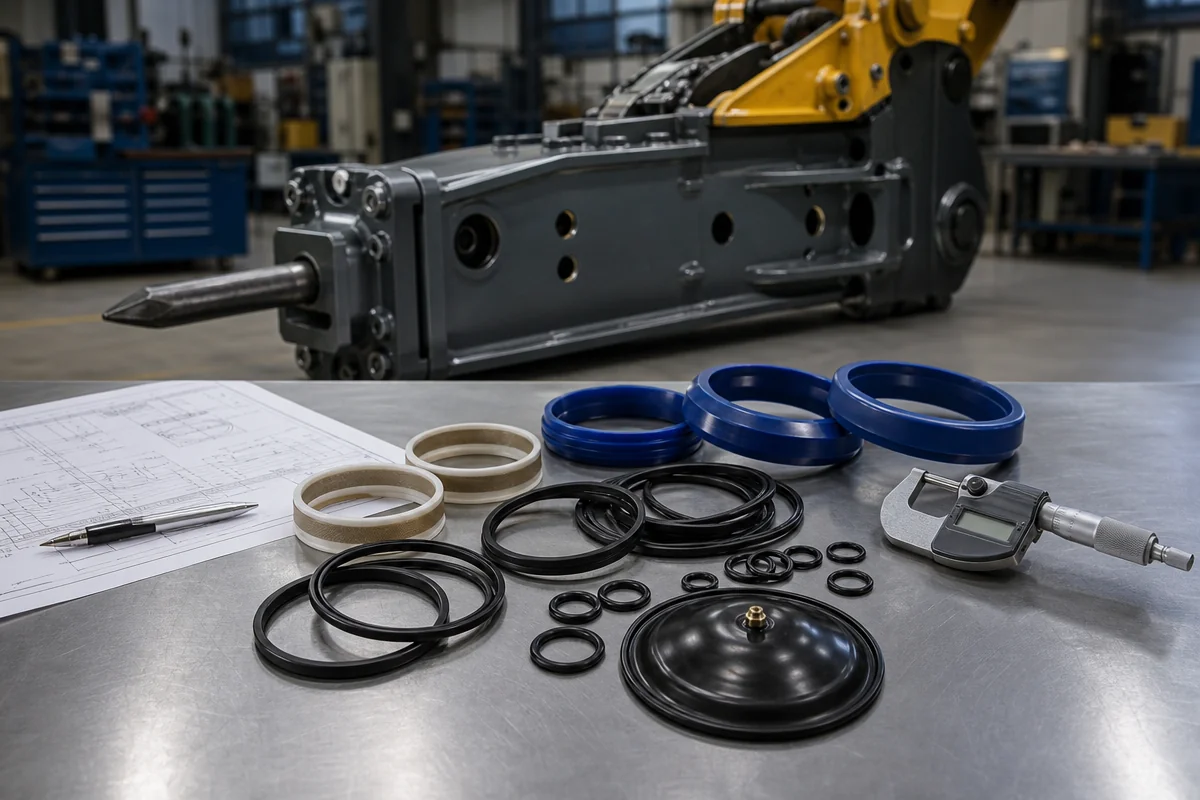 Hydraulic Breaker Hammer Seal Kits: B2B Sourcing, Material Selection, and High-Frequency Shock Protection Guide
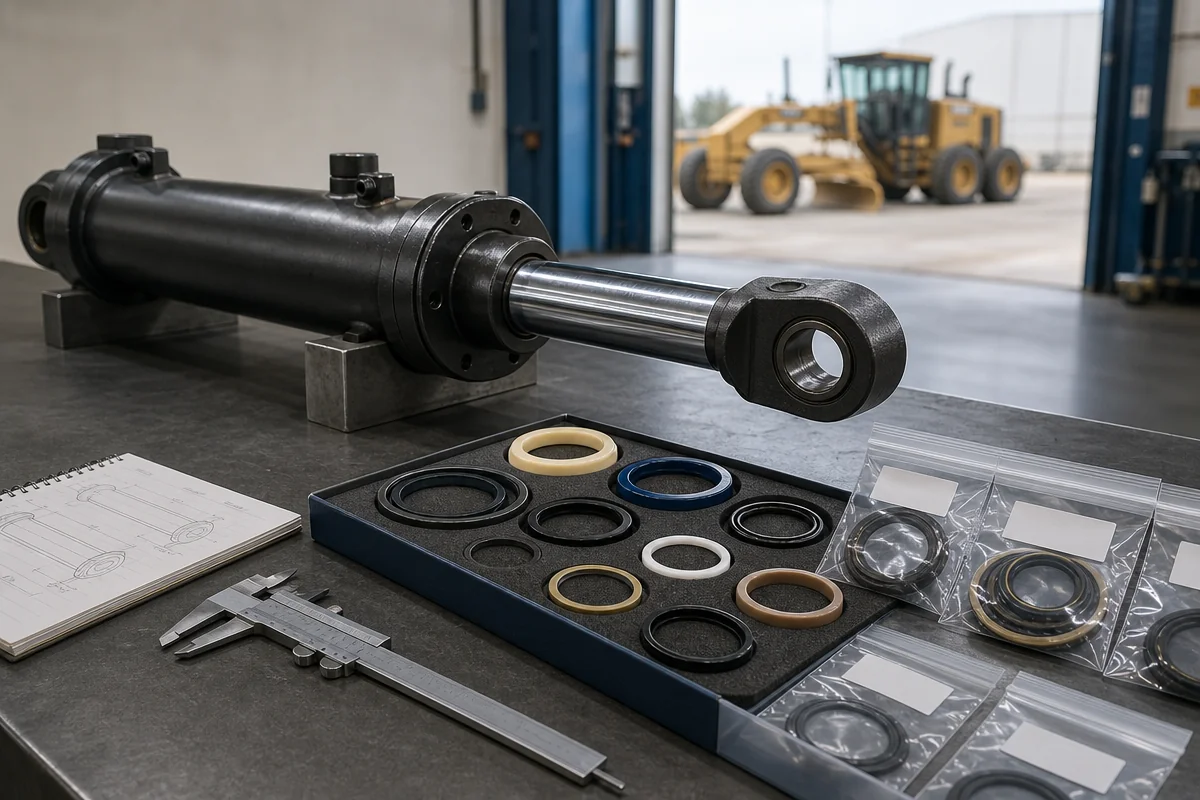 Motor Grader Hydraulic Cylinder Seal Kits: A B2B RFQ and Selection Guide