
Top 10 Causes of Excavator Hydraulic Seal Failure and How to Prevent Them
In the heavy machinery industry, especially for excavators, hydraulic systems are the lifeblood of performance. However, hydraulic seal failure is one of the most common issues that lead to unexpected downtime and costly repairs. For B2B wholesalers and repair shops, understanding why these seals fail is crucial for maintaining equipment longevity and providing the best solutions to end-users.
As a leading hydraulic seal kits factory, DJF Seal has analyzed thousands of failure cases. In this guide, we will explore the top 10 causes of hydraulic seal failure and provide actionable prevention tips to keep your excavators running smoothly.
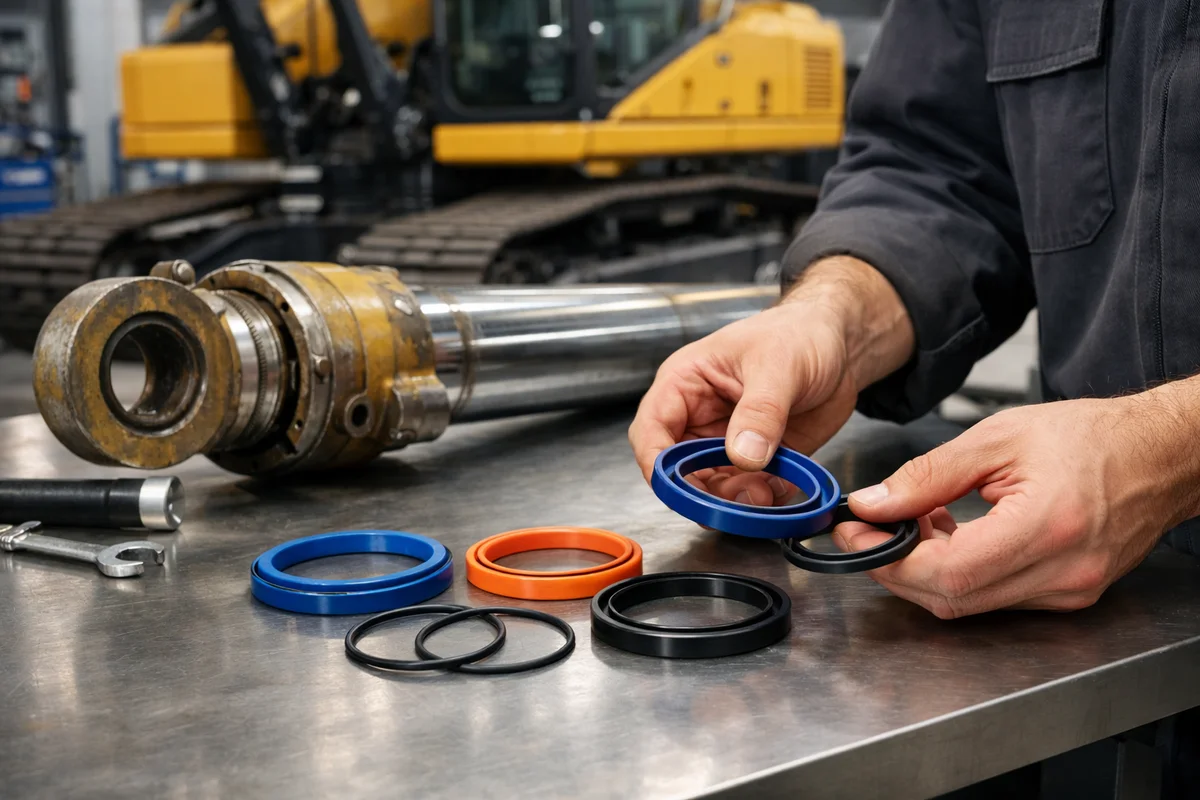
1. Excessive Heat and Hardening
One of the primary enemies of hydraulic seals is extreme temperature. When the hydraulic fluid exceeds the seal’s rated temperature, the material begins to harden and lose its elasticity. This process, known as thermal degradation, leads to cracking and eventual leakage.
- Prevention: Ensure the hydraulic cooling system is functioning correctly and use seals made from high-temperature resistant materials like Viton (FKM) or high-grade Polyurethane (PU).
2. Contamination and Abrasive Wear
Excavators often operate in dusty and dirty environments. If dirt, metal shavings, or sand particles enter the hydraulic system, they act like sandpaper, grinding down the seal lips. This abrasive wear is a leading cause of premature seal failure.
- Prevention: Regularly replace hydraulic filters and ensure that rod wipers are in good condition to prevent external contaminants from entering the cylinder.
3. Improper Installation
Even the highest quality seal kit will fail if installed incorrectly. Common mistakes include using sharp tools that nick the seal, installing the seal backwards, or over-stretching it during assembly.
- Prevention: Always use specialized installation tools and follow the manufacturer’s torque specifications. Lubricate the seals with clean hydraulic oil before installation.
4. Pressure Spikes and Fracturing
Hydraulic systems are designed to operate within specific pressure ranges. However, sudden pressure spikes—often caused by rapid valve movements or heavy impact—can exceed the seal’s structural strength, causing it to fracture or blow out.
- Prevention: Install pressure relief valves and ensure the system is not being operated beyond its rated capacity.
5. Chemical Incompatibility
Not all seal materials are compatible with every type of hydraulic fluid. Using the wrong fluid can cause the seal to swell, shrink, or dissolve entirely.
- Prevention: Always verify the compatibility between the seal material (e.g., NBR, PU, PTFE) and the specific hydraulic oil being used in the excavator.
6. Rod Scoring and Surface Damage
If the piston rod is scratched or dented, it will damage the seal every time it passes through. This surface damage creates a path for fluid to escape, regardless of how new the seal is.
- Prevention: Inspect piston rods regularly for signs of scoring. If damage is found, the rod should be polished or replaced immediately.
7. Seal Hardening due to Oxidation
Over time, hydraulic oil can oxidize, forming sludge and varnish. These chemical byproducts can attack the seal material, causing it to become brittle and lose its sealing capability.
- Prevention: Stick to a strict oil change schedule and use high-quality hydraulic fluids with anti-oxidation additives.
8. Excessive Friction and “Dry Running”
If a seal is not properly lubricated, the friction between the seal and the moving parts generates intense localized heat. This “dry running” can melt the seal lip in a matter of minutes.
- Prevention: Ensure the system is fully primed with oil before operation and check for any blockages in the lubrication paths.
9. Compression Set
When a seal is under constant pressure for a long period, it may lose its ability to “spring back” to its original shape. This is known as compression set, and it results in a loss of the interference fit required for a tight seal.
- Prevention: Choose materials with low compression set properties and avoid leaving equipment under heavy load for extended periods when not in use.
10. Natural Aging and Wear
Finally, all seals have a finite lifespan. Even under perfect conditions, the material will eventually degrade due to constant cycling and environmental exposure.
- Prevention: Implement a preventative maintenance program and replace seal kits at recommended intervals rather than waiting for a failure to occur.
Why Choose DJF Seal for Your Wholesale Needs?
At DJF Seal, we specialize in manufacturing high-performance excavator hydraulic seal kits for major brands like Caterpillar, Komatsu, Hitachi, and more. Our seals are engineered to withstand the toughest conditions, offering superior resistance to heat, wear, and pressure.
By partnering with a professional factory, B2B clients can benefit from:
- Factory-Direct Pricing: Maximize your profit margins with wholesale rates.
- OEM Quality: Our seals meet or exceed original equipment specifications.
- Fast Global Shipping: Minimize downtime with our efficient logistics network.
Contact us today at https://www.djfseal.com to request a quote or download our latest product catalog. Let’s build a more reliable future for your heavy machinery business.
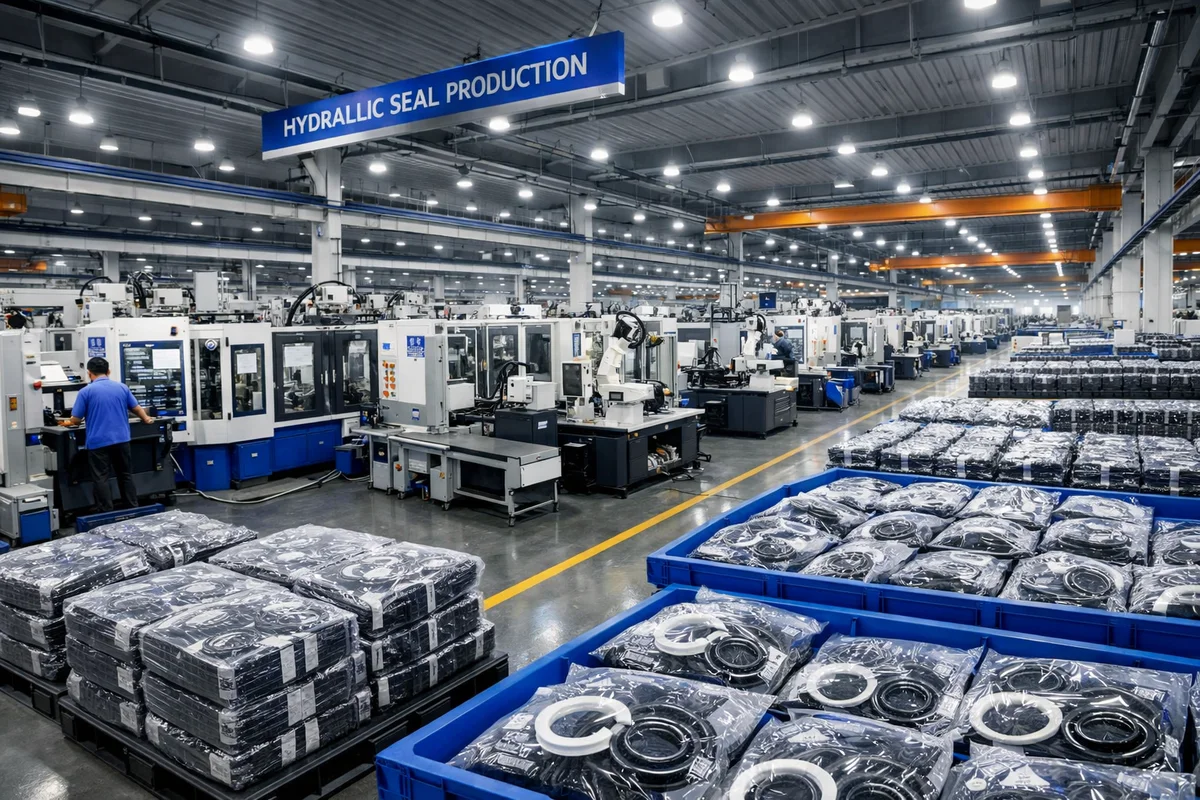 Why Buying Wholesale Hydraulic Seals from China Factory Can Save You 40% Costs
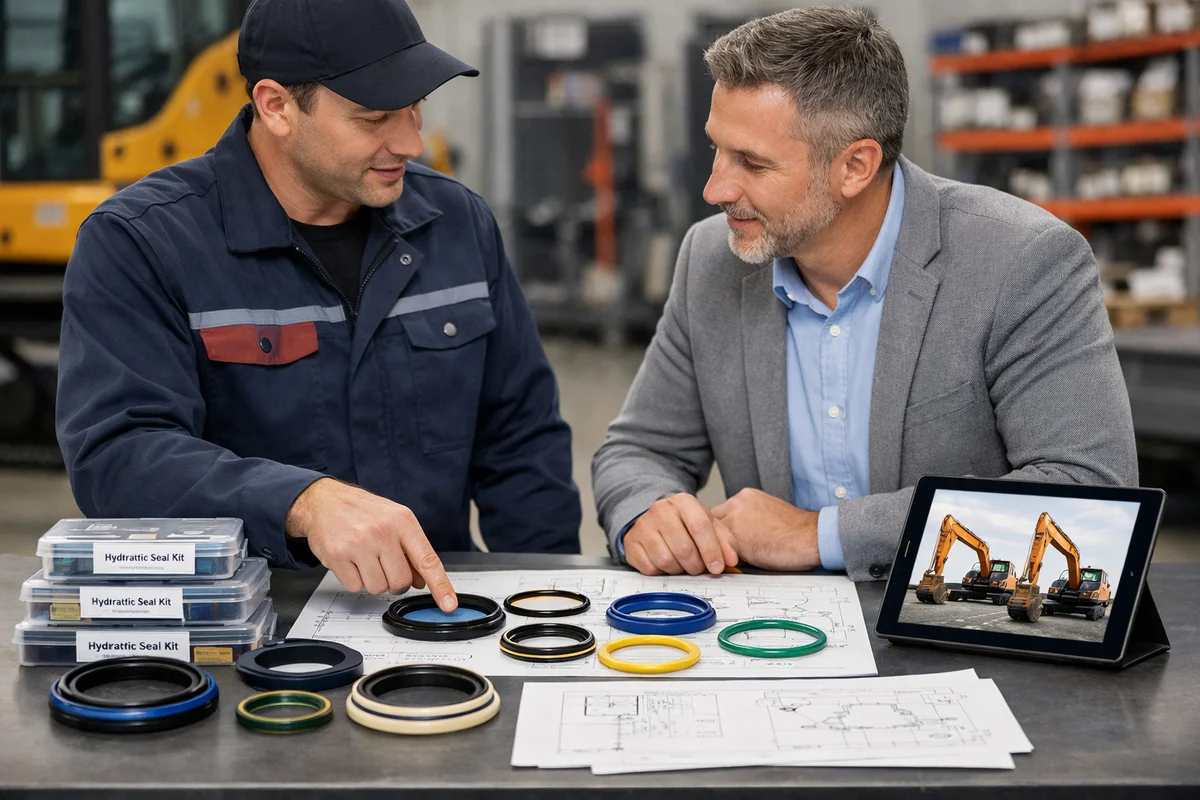 How to Choose the Right Hydraulic Seal Kits for Your Excavator: A Complete Guide
 How to Slash Excavator Downtime and Boost Profitability with High-Quality Hydraulic Seal Kits