How to Choose the Right Hydraulic Seal Kits for Your Excavator: A Complete Guide
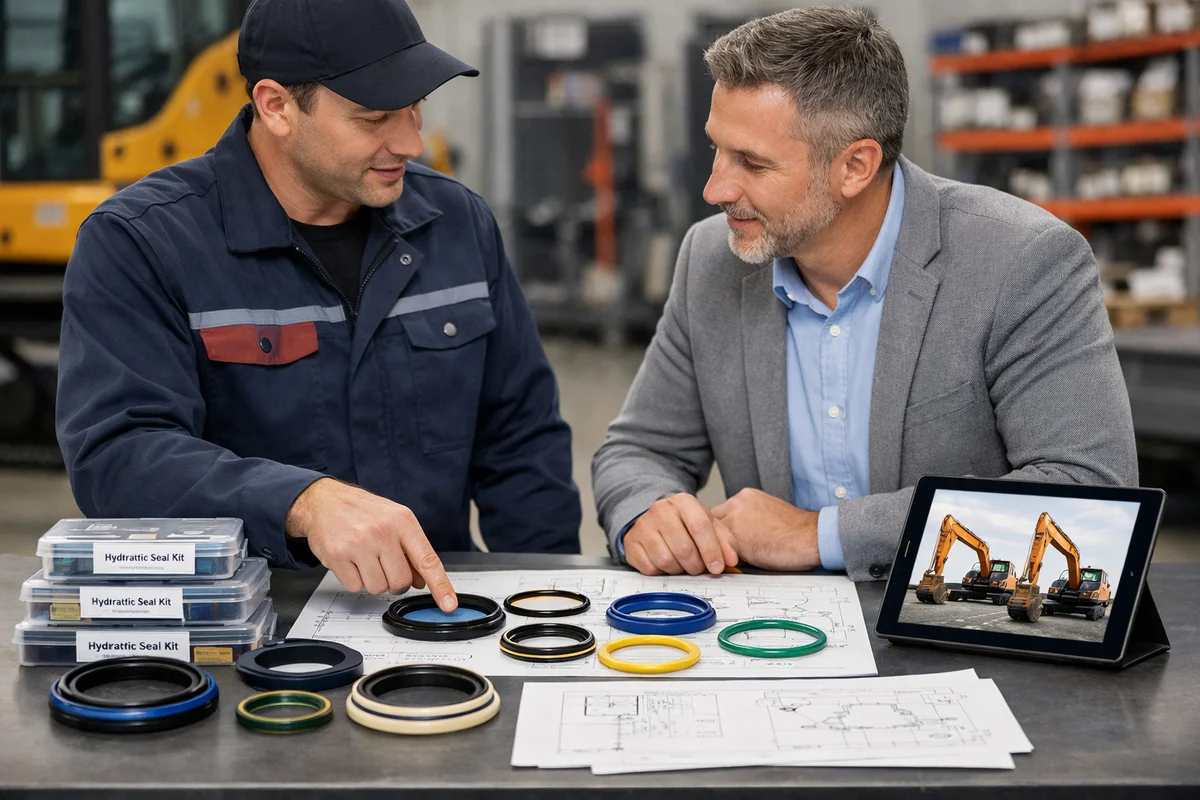
For B2B wholesalers, distributors, and repair shops, selecting the correct hydraulic seal kits for excavators is paramount. The performance, reliability, and longevity of heavy machinery directly depend on the quality and compatibility of its hydraulic seals. A wrong choice can lead to frequent breakdowns, costly downtime, and dissatisfied end-users. As a professional hydraulic seal kits factory, DJF Seal understands these challenges. This comprehensive guide will walk you through the essential steps and considerations for choosing the right seal kits for various excavator models.
Why Proper Seal Kit Selection Matters
Incorrectly chosen seal kits can result in:
- Premature Failure: Seals may not withstand operating pressures or temperatures.
- Fluid Leakage: Leading to environmental hazards, reduced efficiency, and system contamination.
- Component Damage: Incompatible materials can corrode or degrade, damaging other hydraulic components.
- Increased Downtime: Frequent repairs translate to lost productivity and higher operational costs.
Key Factors in Hydraulic Seal Kit Selection
To ensure optimal performance, consider the following critical factors:
1. Excavator Make and Model
This is the most crucial starting point. Every excavator manufacturer (e.g., Caterpillar, Komatsu, Hitachi, Volvo, Sany) designs its hydraulic cylinders with specific dimensions and seal configurations. Always identify the exact:
- Excavator Brand (e.g., Caterpillar, Komatsu)
- Model Number (e.g., 320D, PC200-8)
- Year of Manufacture (sometimes seal designs change within the same model series)
2. Application Type (Cylinder Location)
Different hydraulic cylinders on an excavator perform distinct functions and experience varying loads and pressures. Common applications include:
- Boom Cylinder Seal Kits: For lifting and lowering the main boom.
- Arm Cylinder Seal Kits: For extending and retracting the arm.
- Bucket Cylinder Seal Kits: For operating the bucket.
- Main Pump Seal Kits: For the primary hydraulic pump.
- Travel Motor Seal Kits: For driving the tracks.
- Swing Motor Seal Kits: For rotating the upper structure.
Each application may require seals with specific profiles and material properties to handle its unique operational stresses.
3. Operating Conditions
The environment and operational demands significantly influence seal material choice:
- Pressure: High-pressure applications require robust seals with anti-extrusion rings.
- Temperature: Extreme hot or cold conditions necessitate materials like Viton (FKM) or specialized Polyurethane (PU).
- Fluid Type: Compatibility with hydraulic oil (mineral-based, synthetic, biodegradable) is essential to prevent chemical degradation.
4. Material Compatibility
Common seal materials and their applications:
| Material Type | Common Abbreviation | Key Properties | Typical Applications |
|---|---|---|---|
| Nitrile Rubber | NBR (Buna-N) | Good oil resistance, cost-effective | General hydraulic seals, lower temperature |
| Polyurethane | PU | Excellent abrasion resistance, high tensile strength | Rod seals, piston seals, wipers, high pressure |
| Fluoroelastomer | FKM (Viton) | High temperature, chemical resistance | High-heat engines, aggressive fluids |
| Polytetrafluoroethylene | PTFE | Low friction, chemical inertness, wide temperature range | Back-up rings, guide rings, rotary seals |
Step-by-Step Selection Guide
Step 1: Identify OEM Part Numbers
The most reliable method is to use the Original Equipment Manufacturer (OEM) part number. This number is usually found on the existing seal kit packaging, in the excavator’s service manual, or directly on the cylinder components. If available, always prioritize OEM part numbers for aftermarket cross-referencing.
Step 2: Measure Dimensions
If OEM part numbers are unavailable, precise measurement is critical. You will need to measure:
- Rod Diameter: The diameter of the chrome rod.
- Piston Diameter: The diameter of the piston head.
- Bore Diameter: The inner diameter of the cylinder barrel.
- Groove Dimensions: The width and depth of the seal grooves.
Always use calipers for accurate measurements and consider both imperial (inches) and metric (mm) units.
Step 3: Consult Manufacturer Specifications
Refer to the excavator’s service manual or the hydraulic cylinder manufacturer’s specifications. These documents provide crucial information on:
- Recommended seal types and materials.
- Operating pressure and temperature limits.
- Fluid compatibility requirements.
Why Choose DJF Seal for Your Wholesale Hydraulic Seal Kits?
As a leading hydraulic seal kits manufacturer specializing in excavator applications, DJF Seal offers unparalleled advantages for B2B clients:
- Extensive Inventory: We stock a vast range of seal kits compatible with major brands like Caterpillar, Komatsu, Hitachi, Volvo, Sany, and more.
- OEM Quality, Aftermarket Price: Our seals meet or exceed OEM specifications, ensuring reliability without the premium cost.
- Customization & Technical Support: We provide OEM/ODM services and expert technical assistance to help you find the perfect sealing solution.
- Global Logistics: Efficient and fast shipping ensures your orders arrive on time, minimizing your customers’ downtime.
Partner with DJF Seal to provide your clients with high-quality, reliable hydraulic seal kits that keep their excavators operating at peak performance. Contact us today at https://www.djfseal.com for a wholesale quote or to discuss your specific needs.
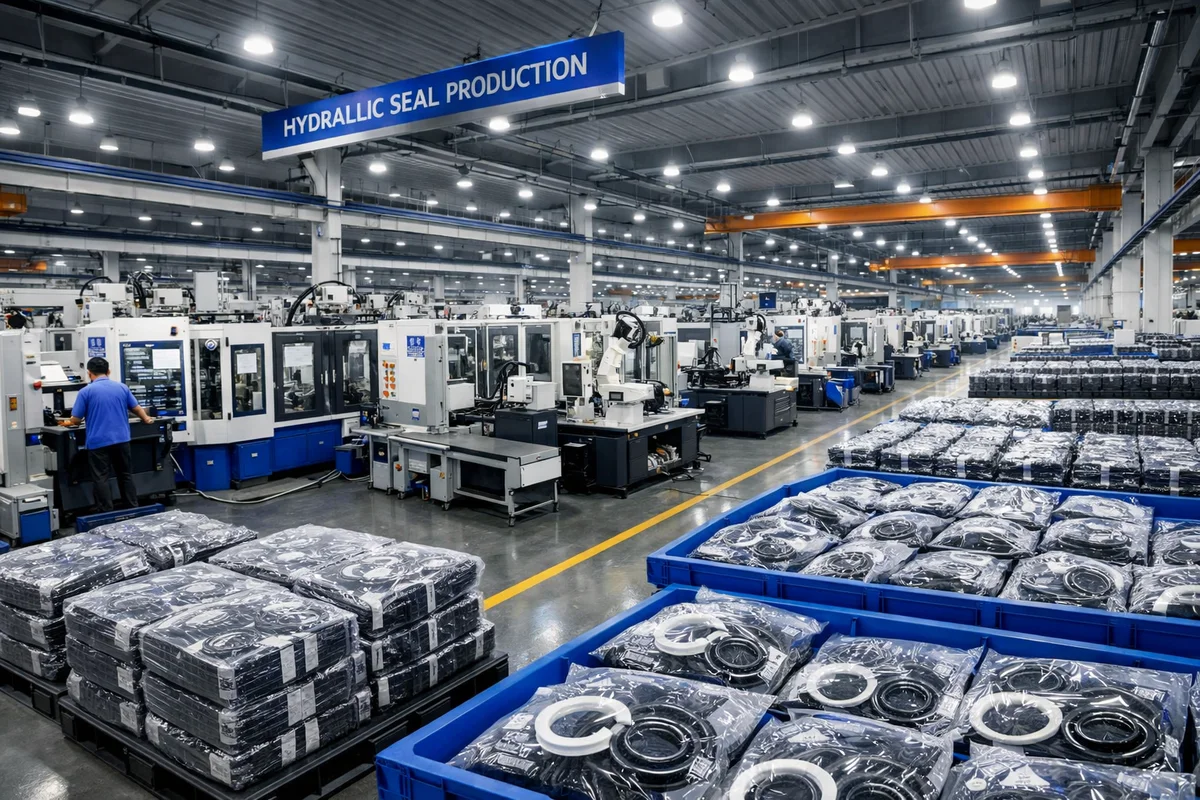 Why Buying Wholesale Hydraulic Seals from China Factory Can Save You 40% Costs
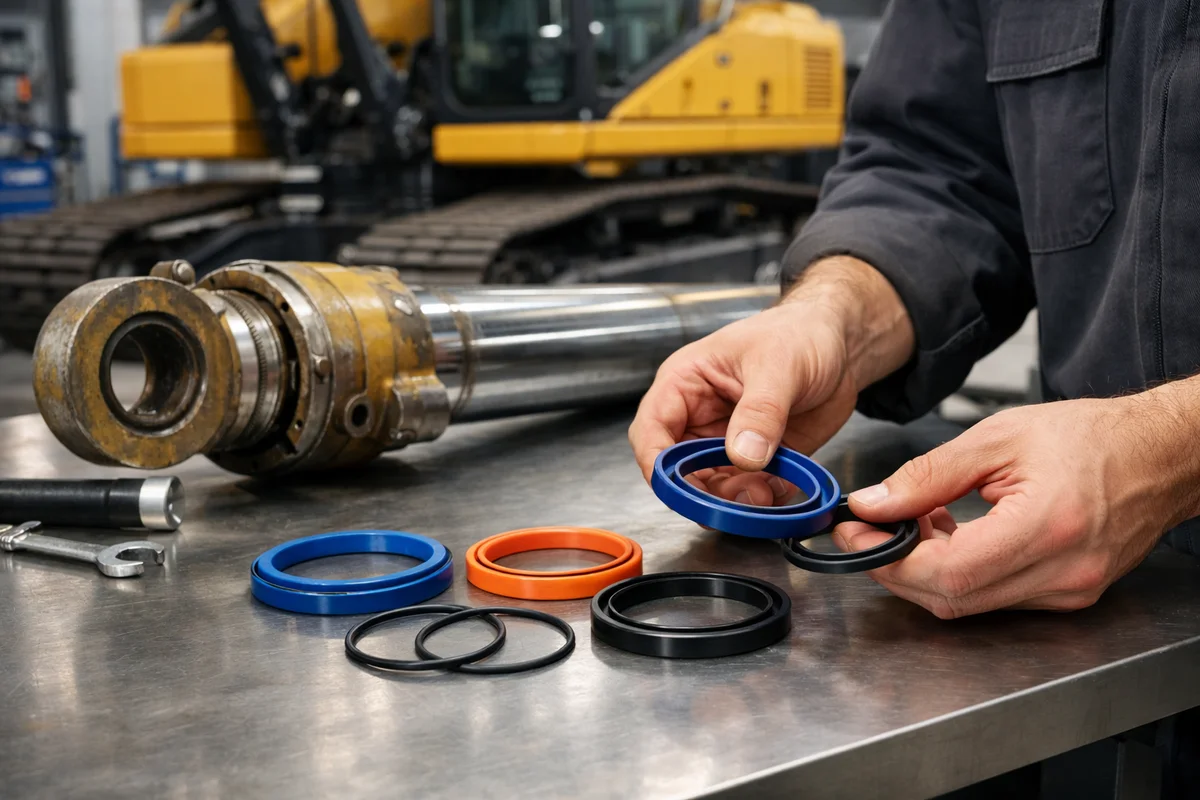 Top 10 Causes of Excavator Hydraulic Seal Failure and How to Prevent Them
 How to Slash Excavator Downtime and Boost Profitability with High-Quality Hydraulic Seal Kits